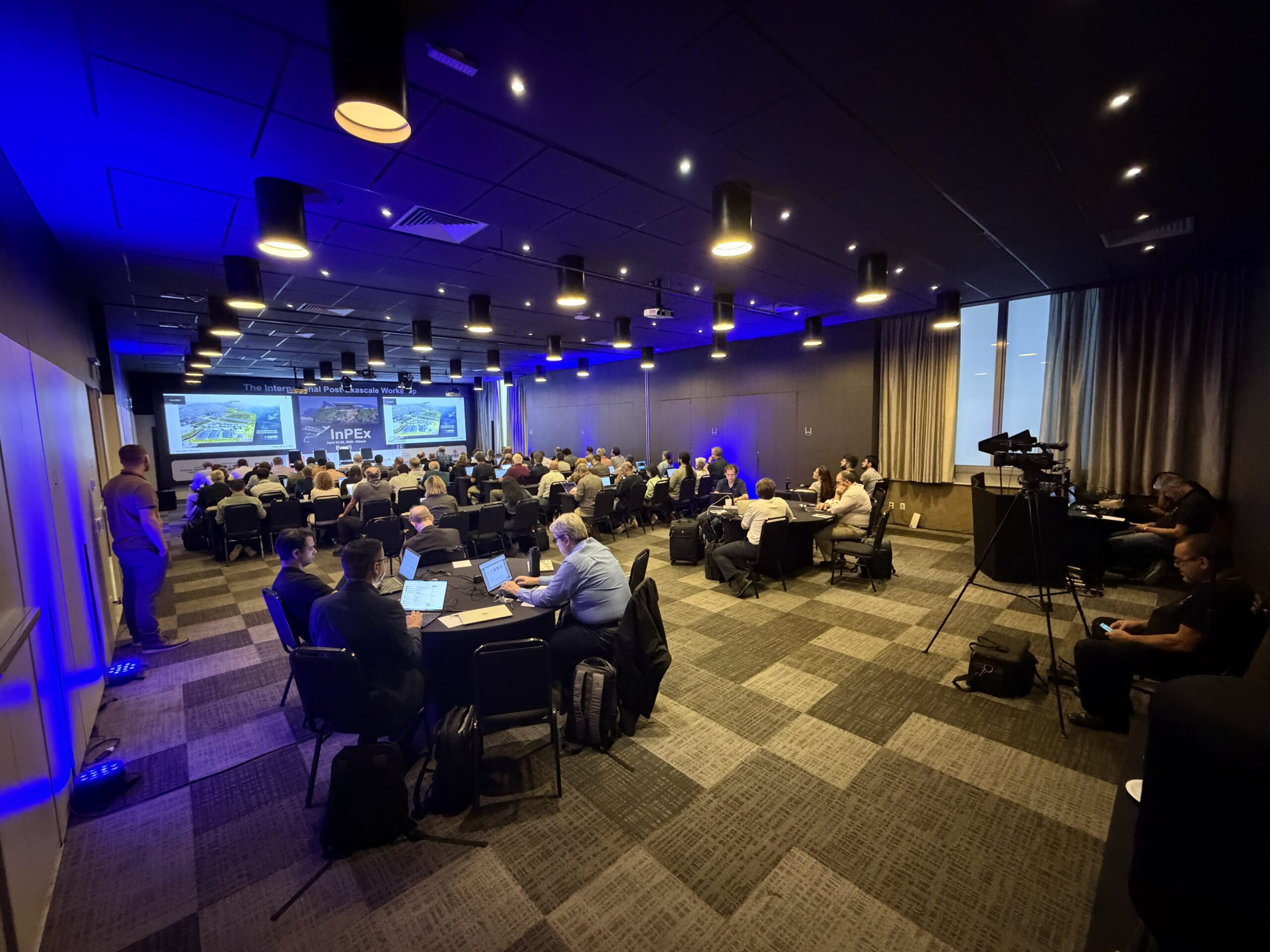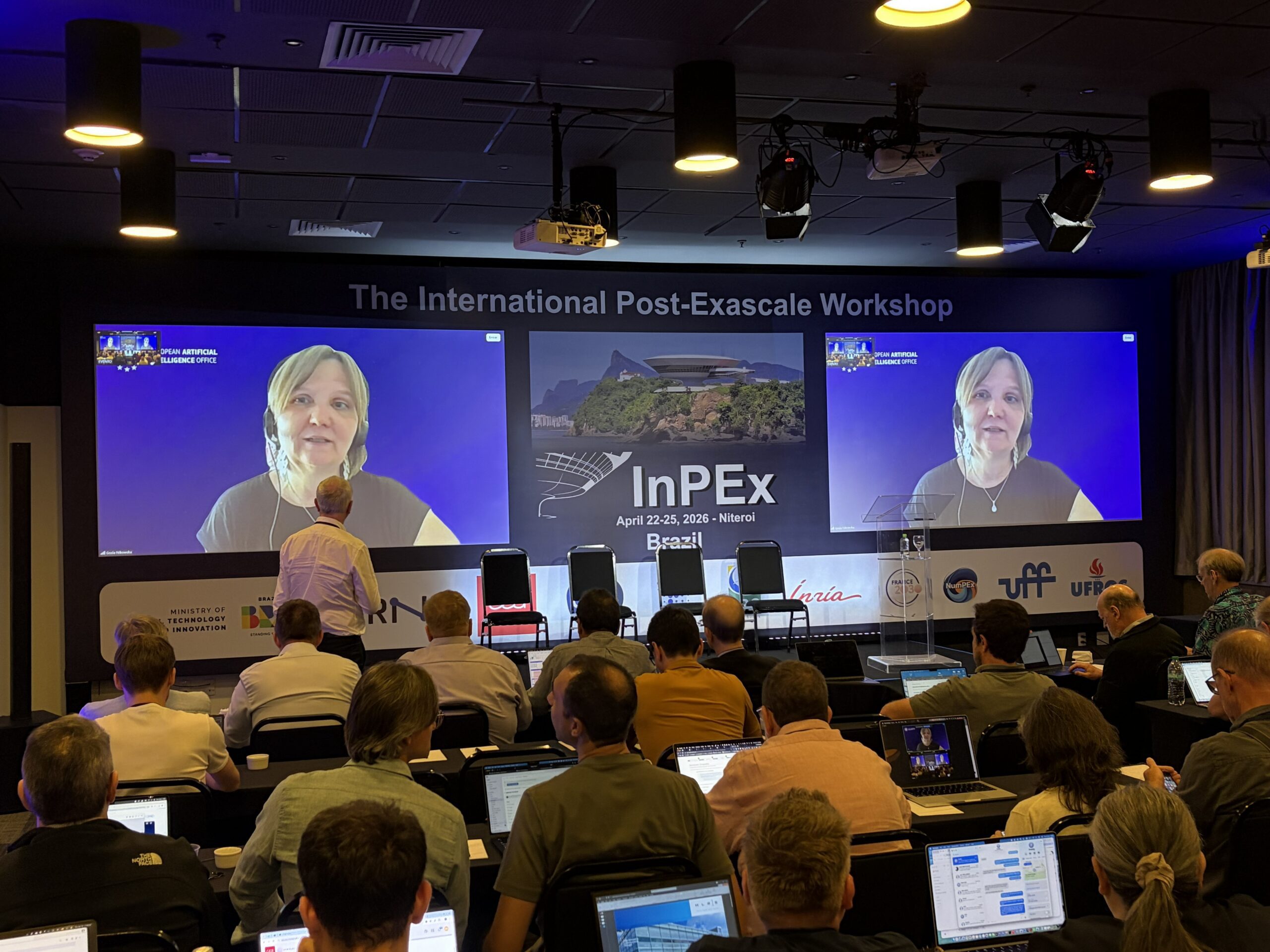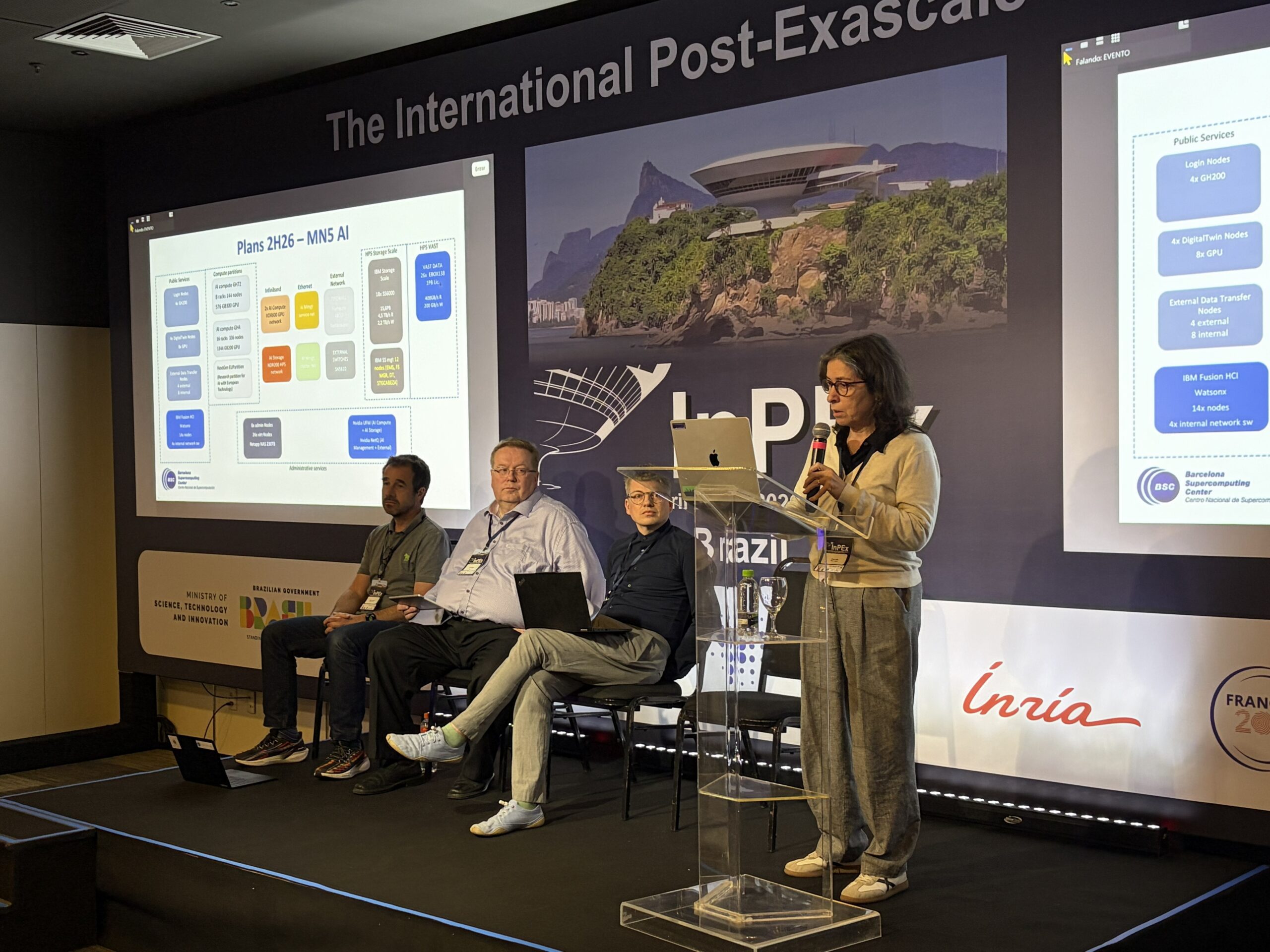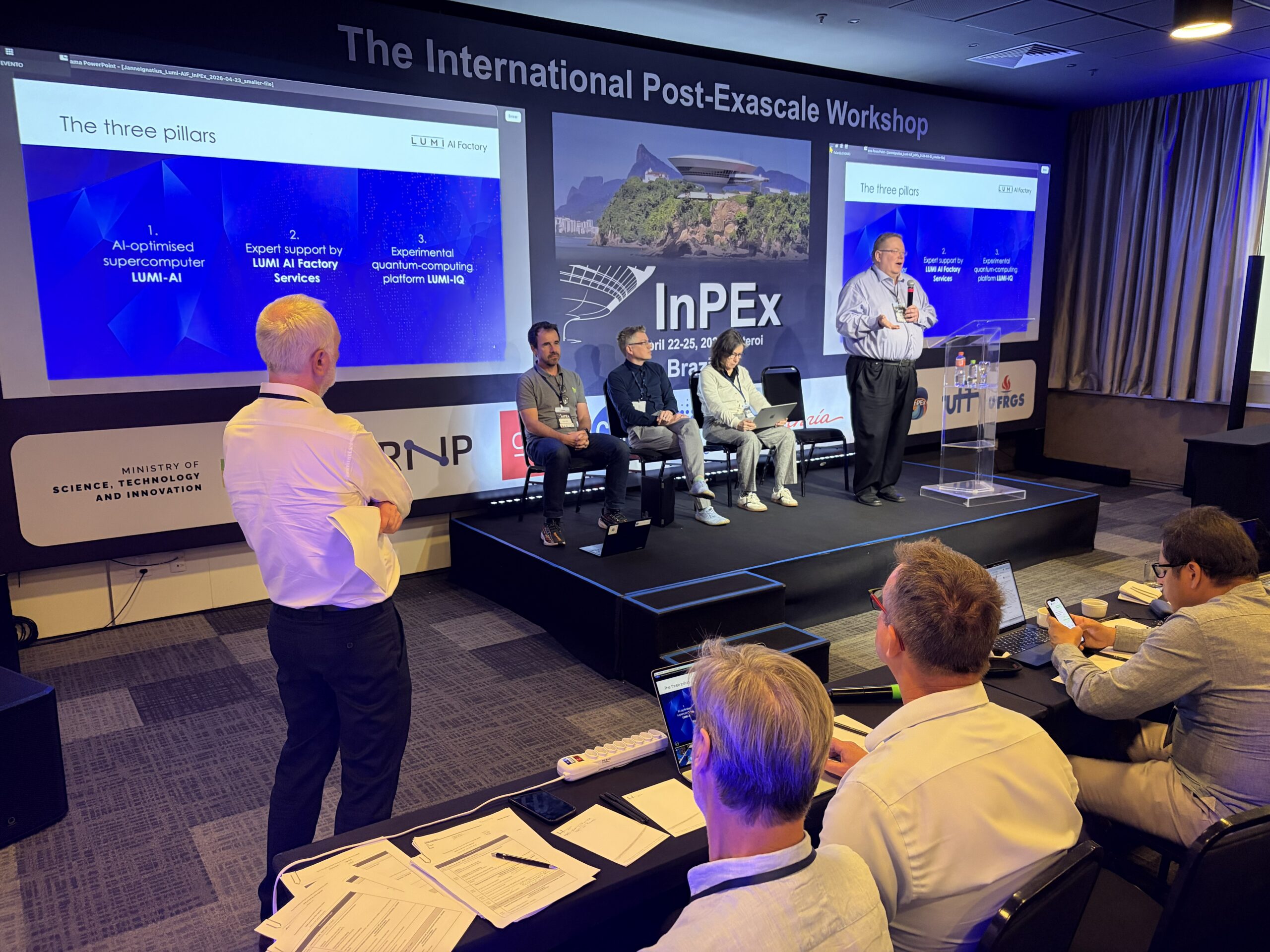
Workshop
2026 InPEx Workshop
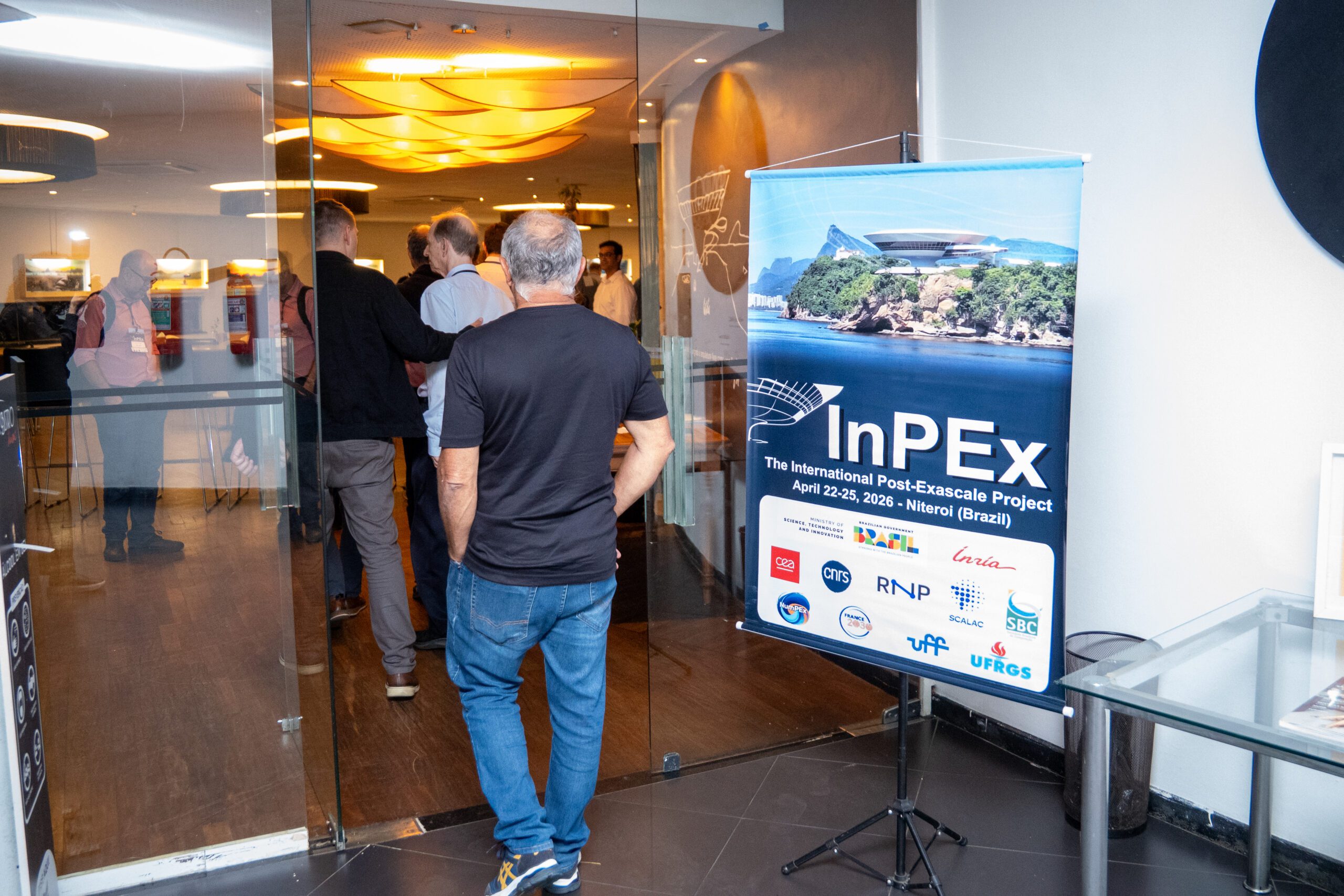
April 22-25, 2026 – Niteroi (Brazil)
Workshop Presentation

Following the previous first InPEx meeting, the InPEx workshop held in Reims (France) in 2023, the InPEx 2024 workshop held in Sitges (Spain) and the InPEx 2025 workshop held in Kanagawa (Japan) the InPEx community will meet in April 2026 in Brazil. The workshop will gather around 120 experts in the HPC fields from Japan, the European Union, Latin America, Caribe and the United States.
Workshop topics
The 2026 InPEx workshop builds on the results of the InPEx working groups and will address important topics of the current development of the Post-Exascale era:
- AI and HPC convergence
- Software Production and Management
- Digital Continuum and Data Management
- Quantum Computing
- Experimentation of large AI models for science
- International roadmapping
Contribution beyond the workshop
InPEx Topics continue to foster international collaboration beyond the workshop. You will find below the access to shared documents in which you can contribute beyond the event.
| GenAI and Software engineering | Contribute online |
| HPC/AI Convergence | Contribute online |
| Computing Continuum | Contribute online (shared folder) |
Date and place
The workshop started on Wednesday 22d of April and ended on Saturday 25th of April.
The workshop has been held in Brazil at the H Niteroi Hotel – Rua Dr. Paulo Alves 14, Inga, Niteroi – Rio de Janeiro, Brazil.
Funding support
This workshop has received financial support of the Brazilian Ministério da Ciência, Tecnologia e Inovação (MCTI), the Advanced Computing System for Latin America and the Carribean (SCALAC)  , Rede Nacional de Ensino e Pesquisa (RNP)
  , Sociedade Brasileira de Computação (SBC)
  , Universidade Federal do Rio Grande do Sul (UFRGS)
  , Universidade Federal Fluminense – Instituto de Computação
(UFF)  and for the European participation of the French program NumPEx (Numeric for Exascale)
  .
.
Agenda
18:00-20:00. Reception and dinner
The reception and dinner will be held at the hotel premises (Piratininga Room - 3rd floor)
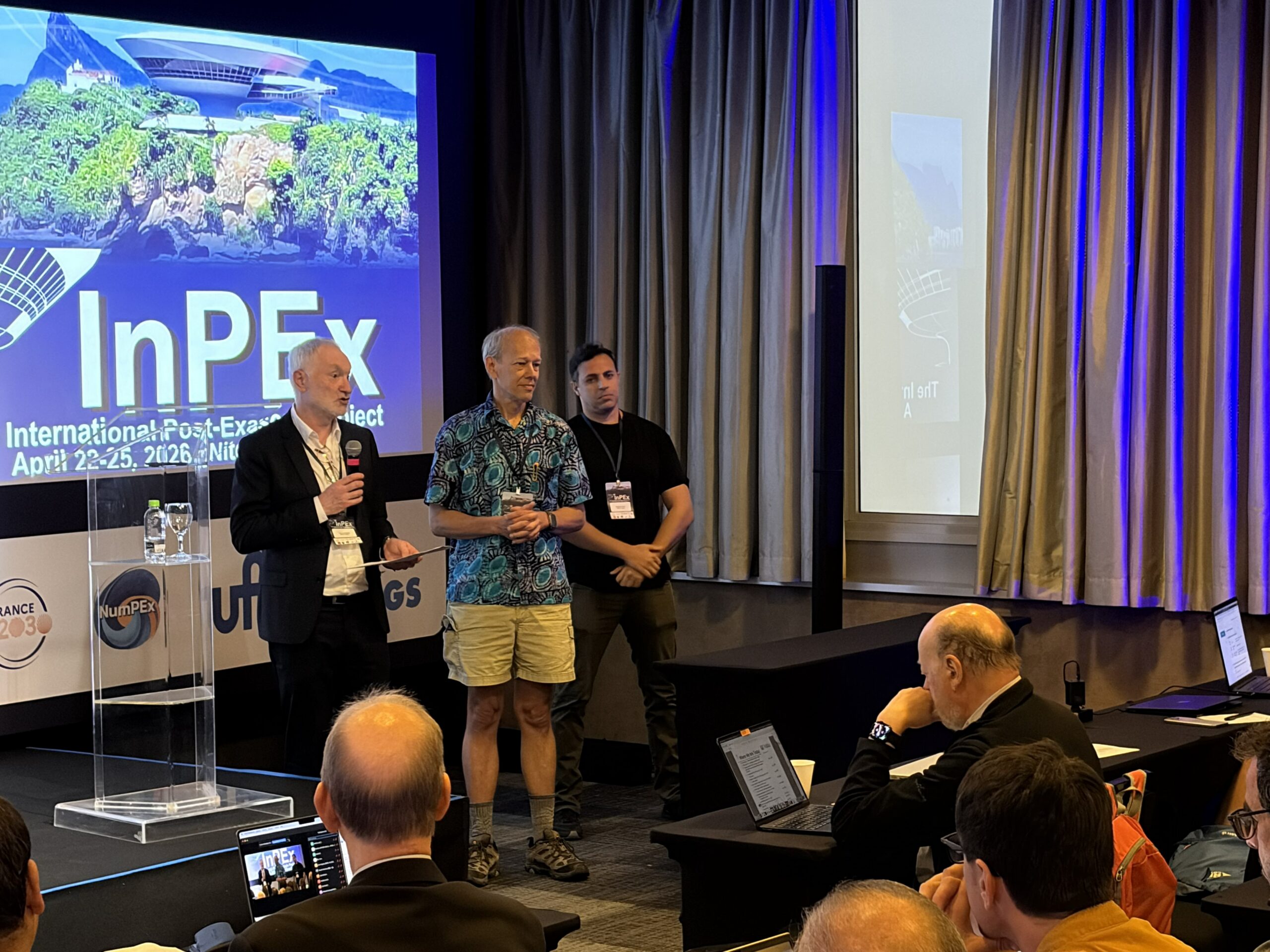
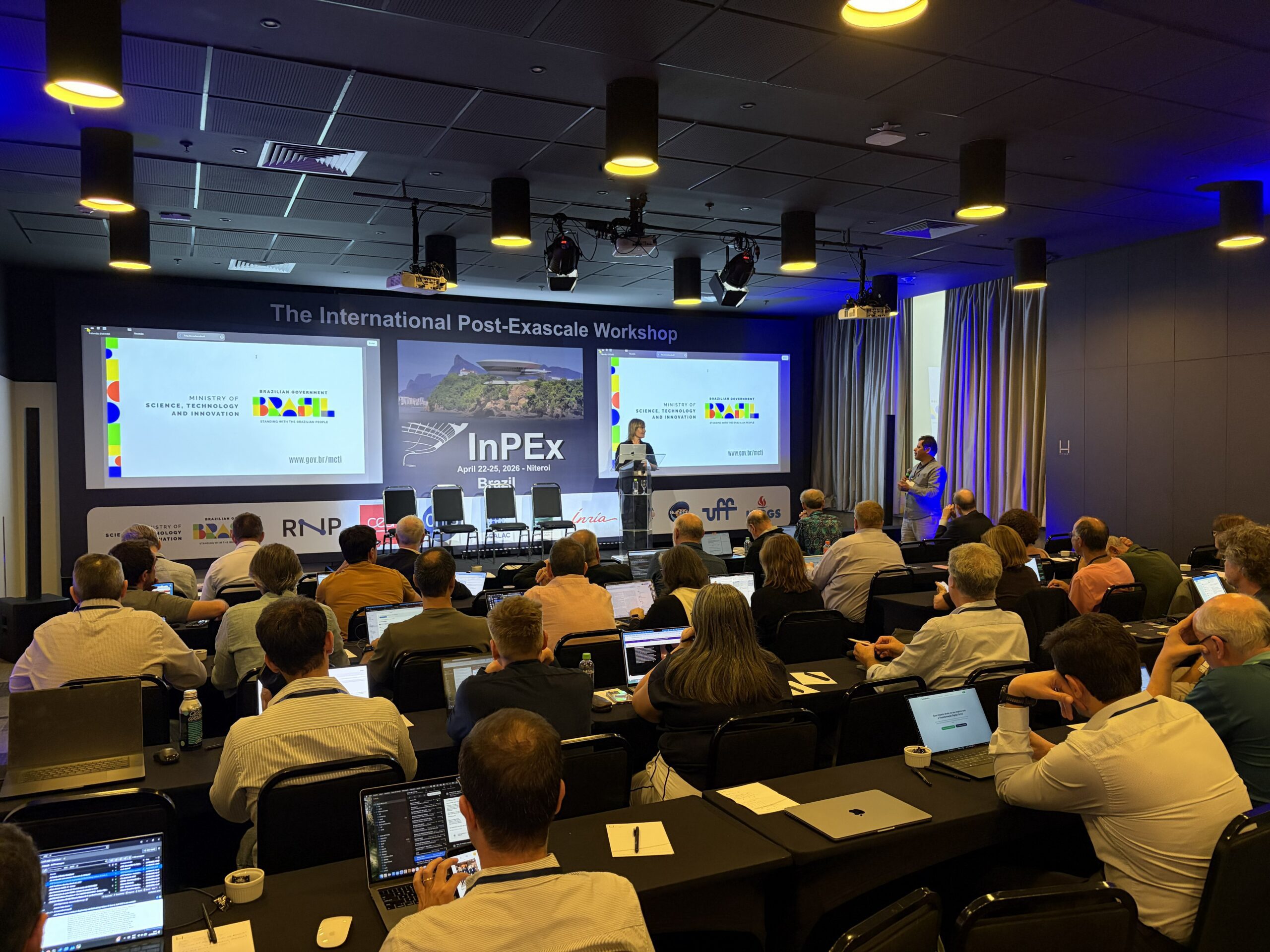
08:30-08:50. Welcome onsite
Inga Room (2d floor)
08:50-09:15. Introduction to the workshop
| 08h50-09h00 | Opening | André Rafael COSTA e SILVA (MCTI), Guilherme de PAULA CORREA (MCTI) |
| 09h00-09h05 | Organisation of the meeting | Philippe NAVAUX (UFGRS/SCALAC) |
| 09h05-09h15 | Context and objectives of the meeting | Pete BECKMAN (Northwestern University), Jean-Yves BERTHOU (INRIA) and Mohamed WAHIB (RIKEN) |
09:15-10:30. Regional strategies around convergence of HPC, AI and Quantum Computing - General roadmaps and projects
Japan
Chairman: Mohamed WAHIB (RIKEN)
| 09h15-09h45 | Japanese AI for Science mission Access to the presentation |
Masaaki KONDO (RIKEN) |
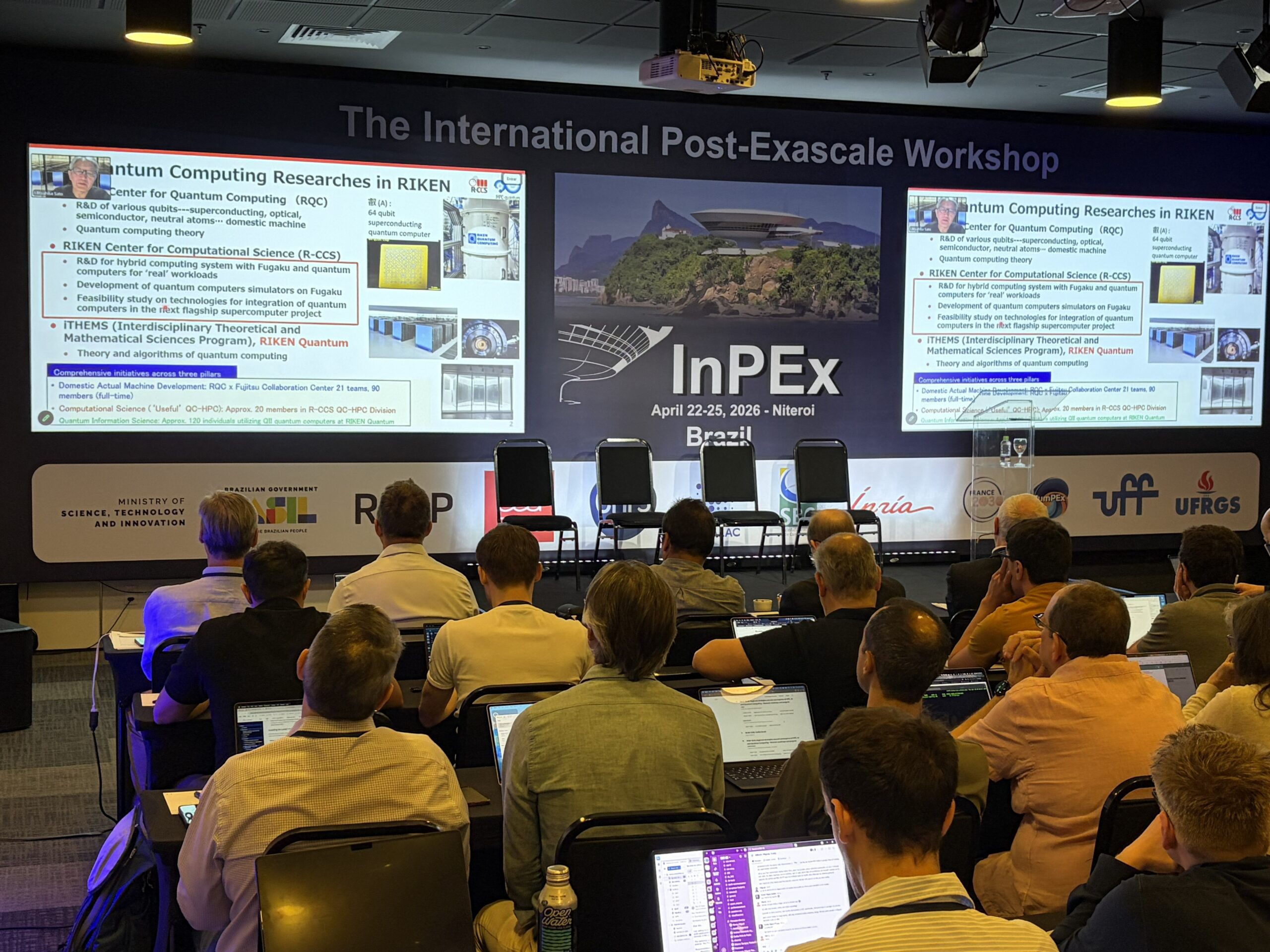
| 09h45-10h00 | Japanese Quantum Computing Strategy Access to the presentation |
Mitsuhisa SATO (RIKEN) |
United States
Chairman: Pete BECKMAN (Northwestern University)
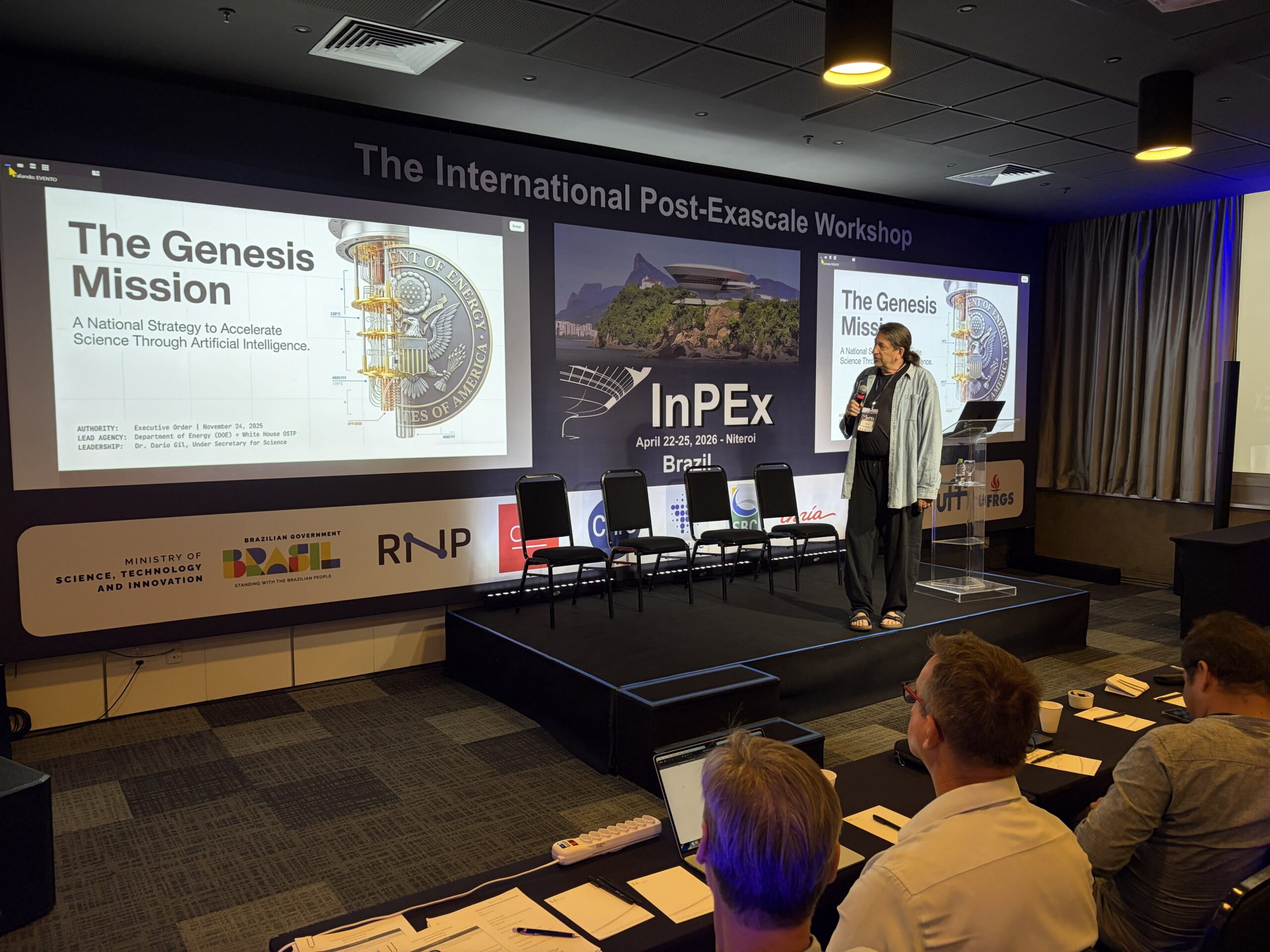
| 10h00-10h30 | US Genesis mission Access to the presentation |
Rick STEVENS (DoE) |
10:30-11:00. Coffee break
Foyer (2d floor)
11:00-12:45. Regional strategies around convergence of HPC, AI and Quantum Computing - General roadmaps and projects
United States
Chairman: Pete BECKMAN (Northwestern University)
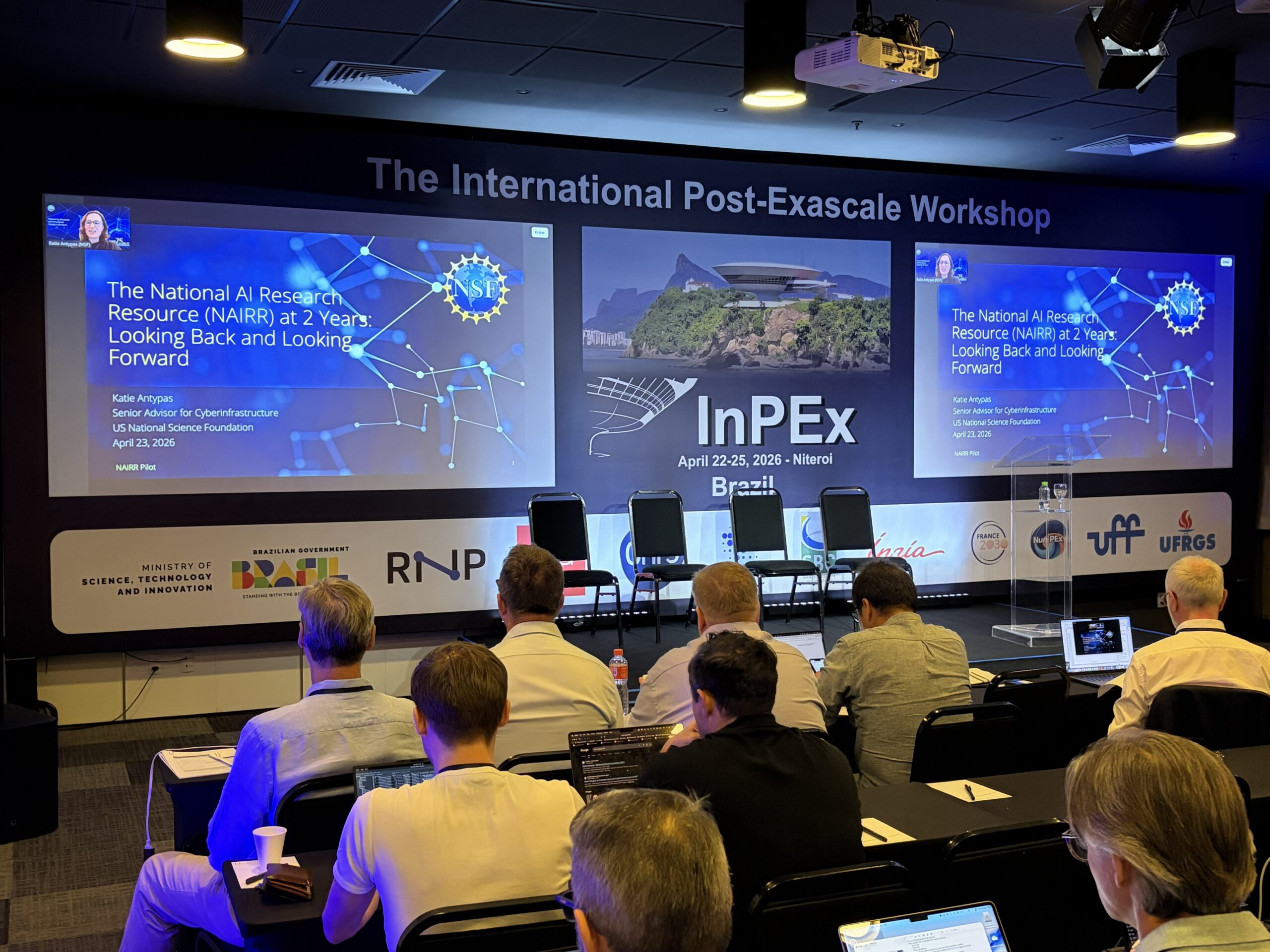
| 11h00-11h30 | US presentation on NAIRR Access to the presentation |
Katie ANTYPAS (NSF) |
| 11h30-11h45 | US strategy on Quantum Computing | Laura SCHULZ (ANL) |
Europe
Chairman: Jean-Yves BERTHOU (INRIA)
| 11h45-12h15 | European AI Continent Action Plan Access to the presentation |
Gosia NIKOWSKA (European Commission) |
| 12h15-12h45 | European AI Factories - some concrete implementations Access to the presentation - Spain Access to the presentation - Germany Access to the presentation - Finland Access to the presentation - France |
|
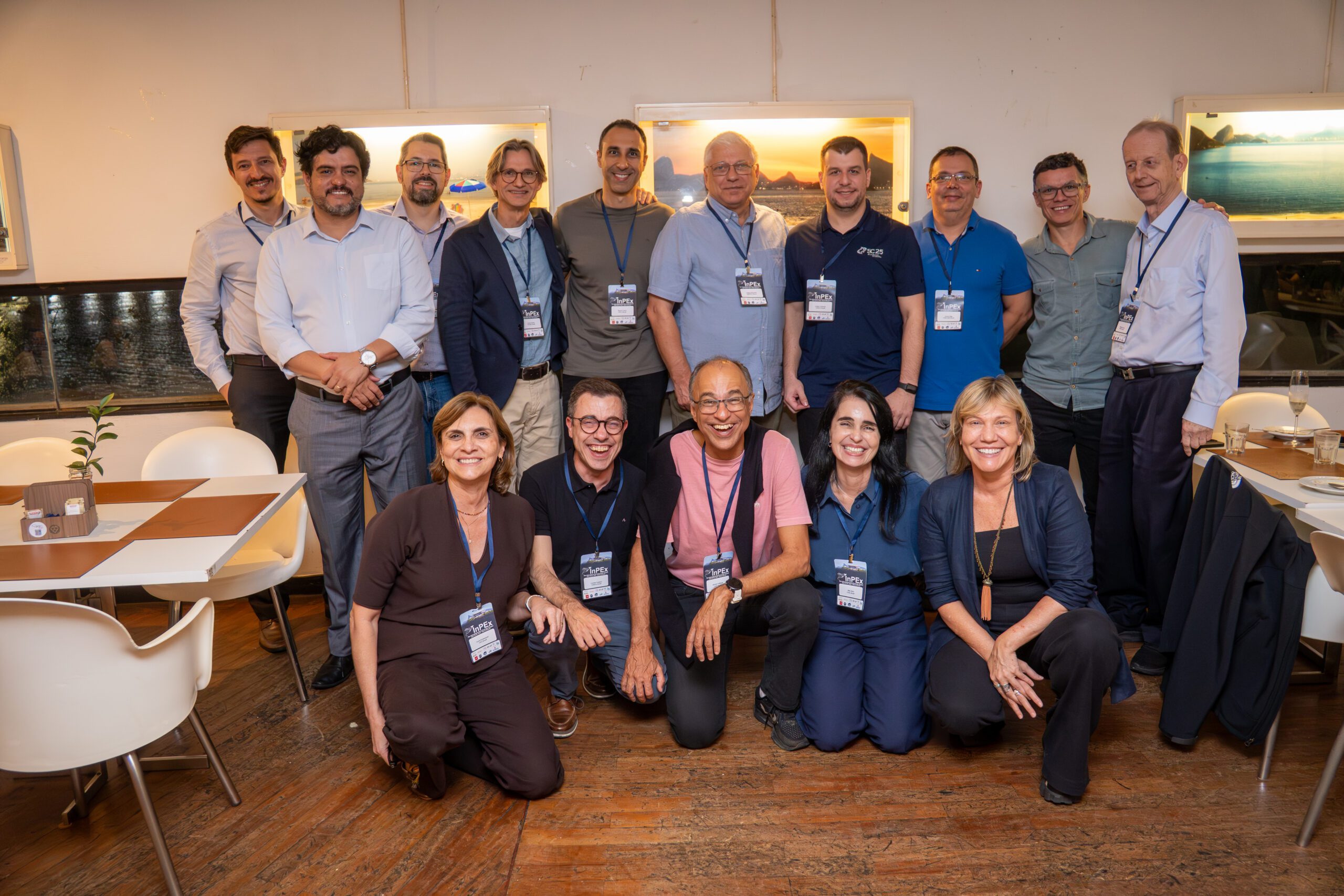
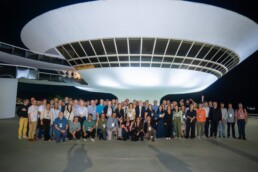
12:45-14:15. Group photo and lunch
14:15-15:00. Regional strategies around convergence of HPC, AI and Quantum Computing - General roadmaps and projects
Europe
Chairman: Jean-Yves BERTHOU (INRIA)
| 14h15-14h30 | European plans on Quantum Computing Access to the presentation |
Martin SCHULZ (TUM) |
Latin America and Caribbean
Chairman: Carlos Jaime BARRIOS HERNANDEZ (INRIA)
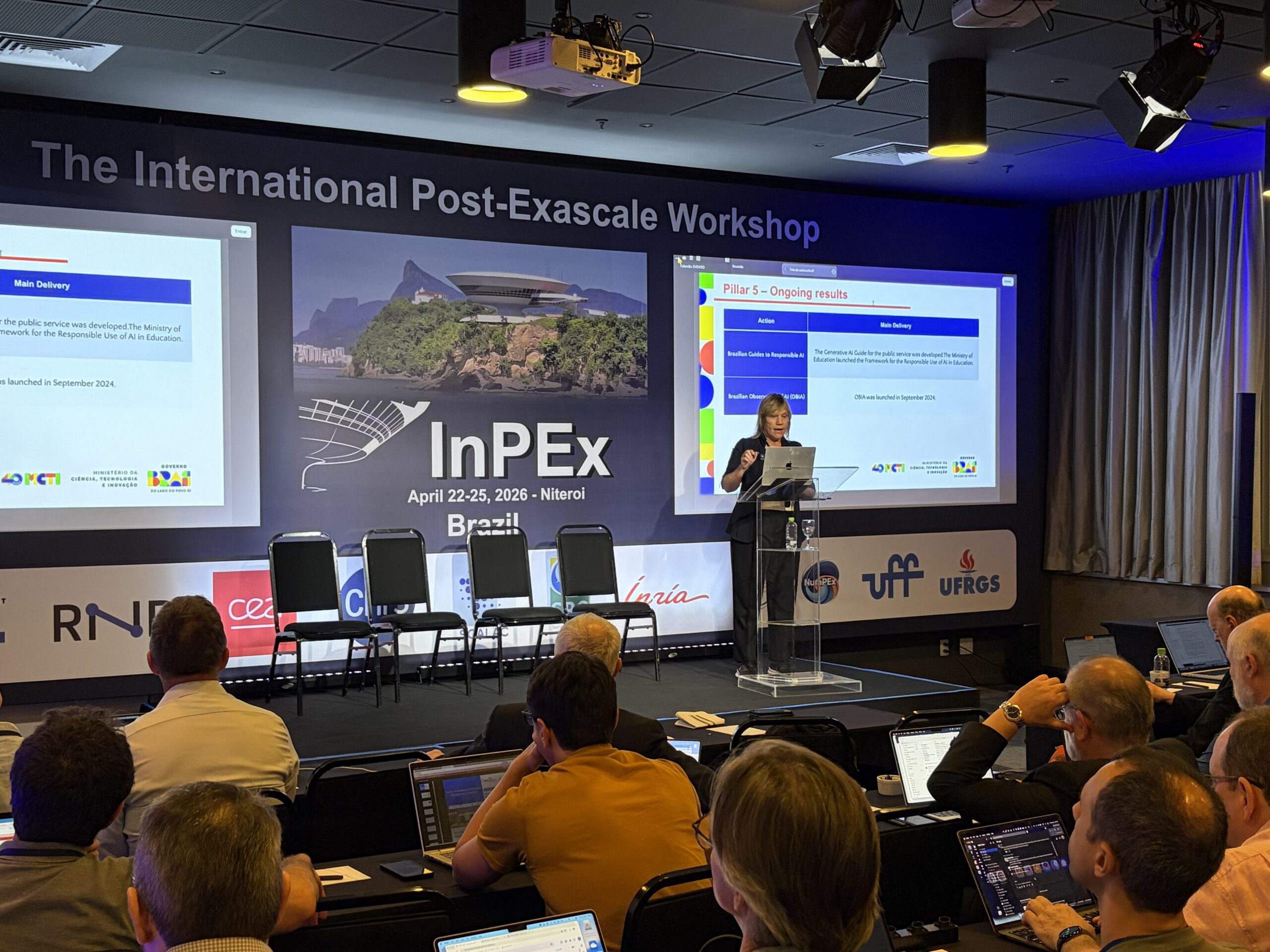
| 14h30-15h00 | Brazilian program in AI Access to the presentation |
Carla OSTHOFF (LNCC) |
15:00-16:00. Presentation and discussion on the parallel sessions
Chairwoman: Rosa BADIA (BSC)
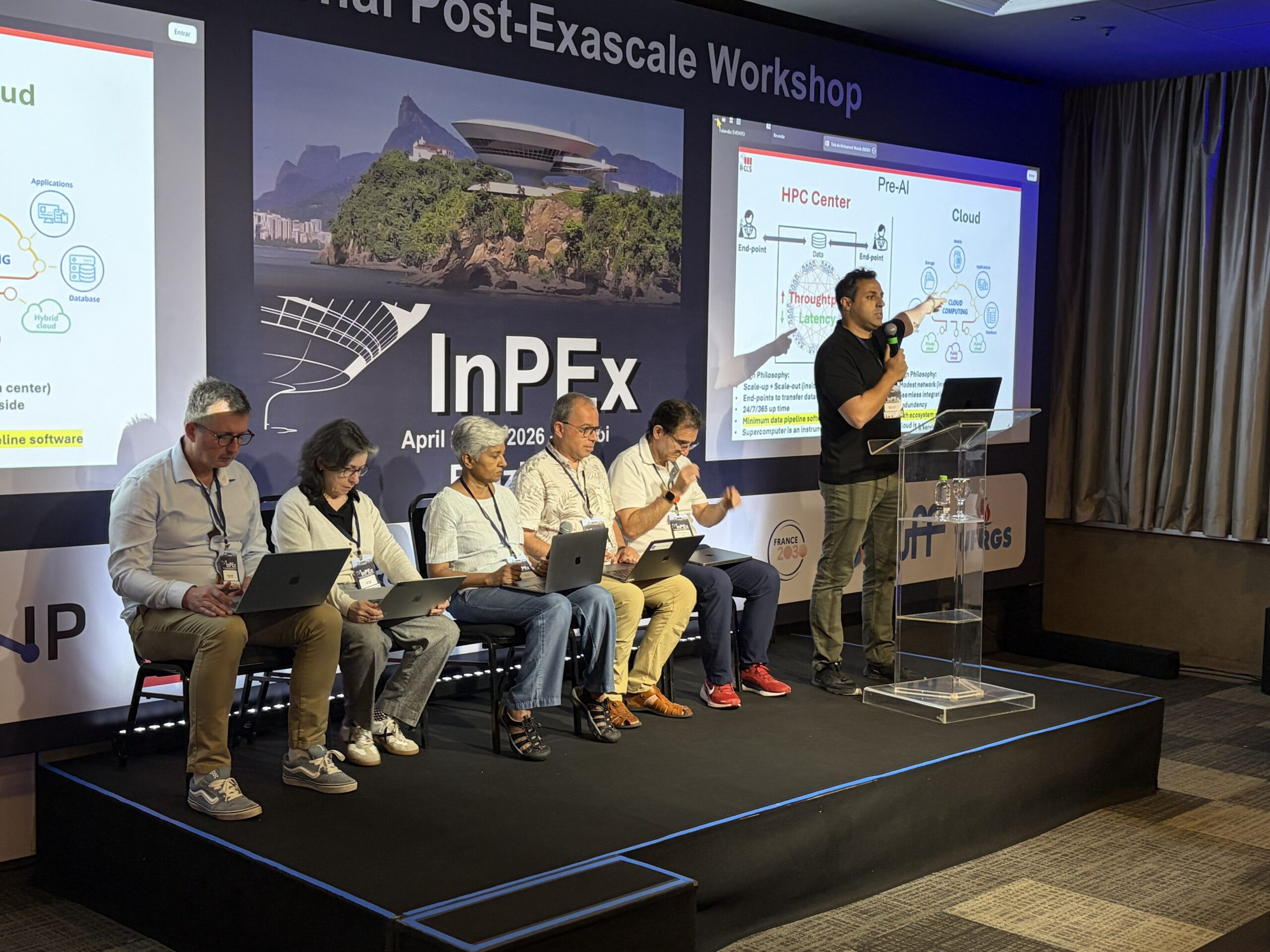
| 15h00-15h10 | HPC/AI Convergence Access to the presentation |
Mohamed WAHIB (RIKEN) |
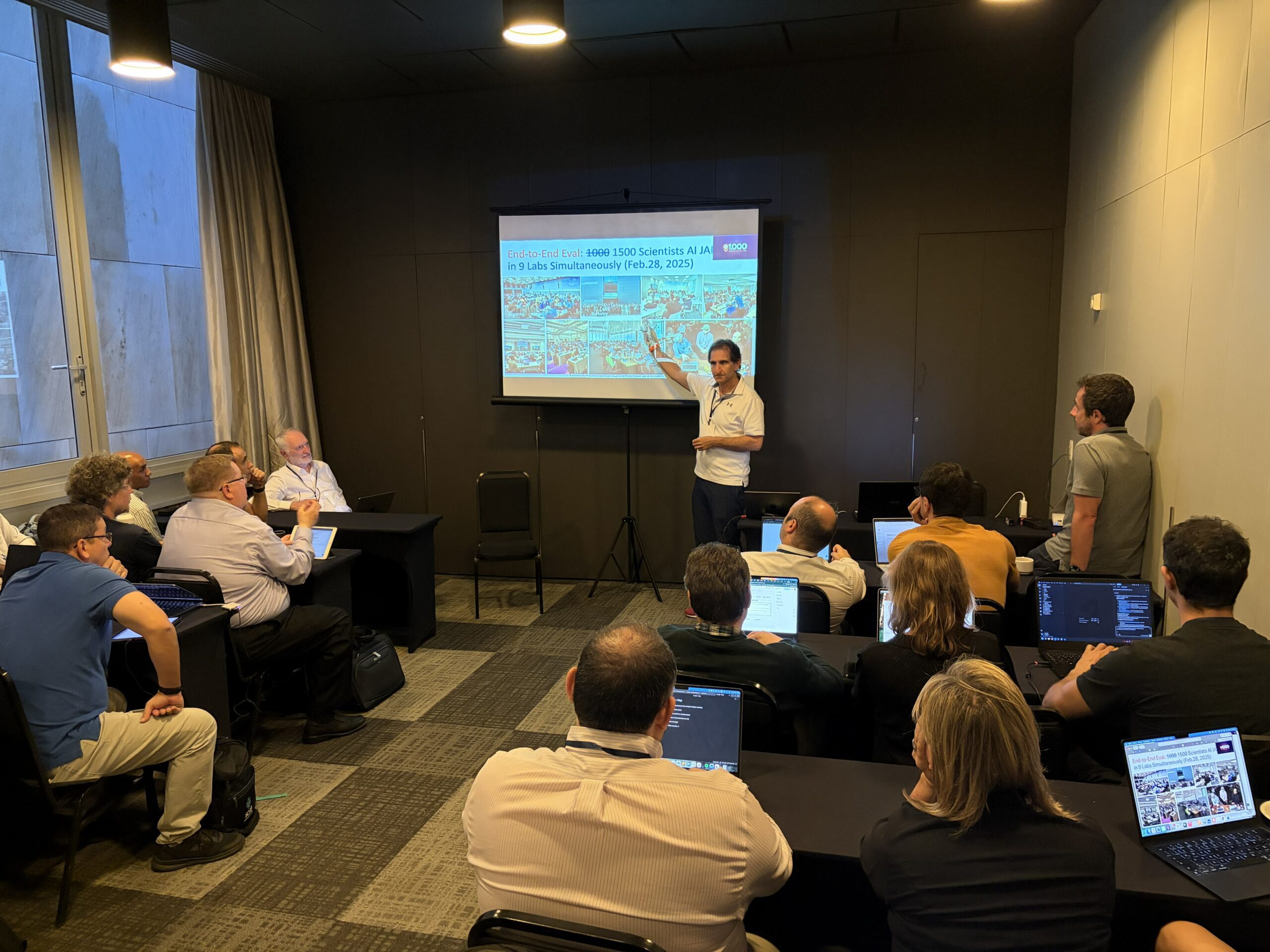
| 15h10-15h20 | Experimenting large AI models for science "1000 scientists AI jam" Access to the presentation |
Franck CAPPELLO (ANL) |
| 15h20-15h30 | Computing continuum Access to the presentation |
Gabriel ANTONIU (INRIA) |
| 15h30-15h40 | International roadmapping effort Access to the presentation |
Raymond NAMYST (INRIA) |
| 15h40-15h50 | GenAI and software engineering Access to the presentation |
Anshu DUBEY (ANL) |
| 15h50-16h00 | Q&A |
16:00-16:30. Coffee break
Foyer (2d floor)
16:30-18:30. Subgroup session A1
Each subgroup works in parallel for 120 minutes.
- Experimenting Large AI models for science (session 1/1)
Room 1 (2d floor)
Chair: Franck Cappello (ANL)
Co-chairs: Fabricio Carraro (BSC), Alvaro Coutinho (UFRJ), Wagner Meira (UFMG), Esteban Meneses (CENAT-CNCA), Stéphane Requena (GENCI), Mohamed Wahib (RIKEN), Nicolas Wolowick (UDC)
| Scientists AI Jams Access to the presentation |
Franck CAPPELLO (ANL) and Rio ROKOTA (RIKEN) |
| Towards a European 1000 scientists AI Jam session Access to the presentation |
Fabricio CARRARO (BSC), Gabriel HAUTREUX (CINES), Stéphane REQUENA (GENCI) |
- GenAI and software engineering (session 1/2)
Room 2 (2d floor)
Chair: Anshu DUBEY (ANL)
Co-chairs : Roberto Di Cosmo (INRIA), Jens Domke (RIKEN), Alfredo Goldman (USP), Antonio Tadeu Gomes (LNCC), Christophe Prudhomme (UNISTRA)
19:00-20:30. Reception and dinner
Group departure at 18:45 at the Hotel reception
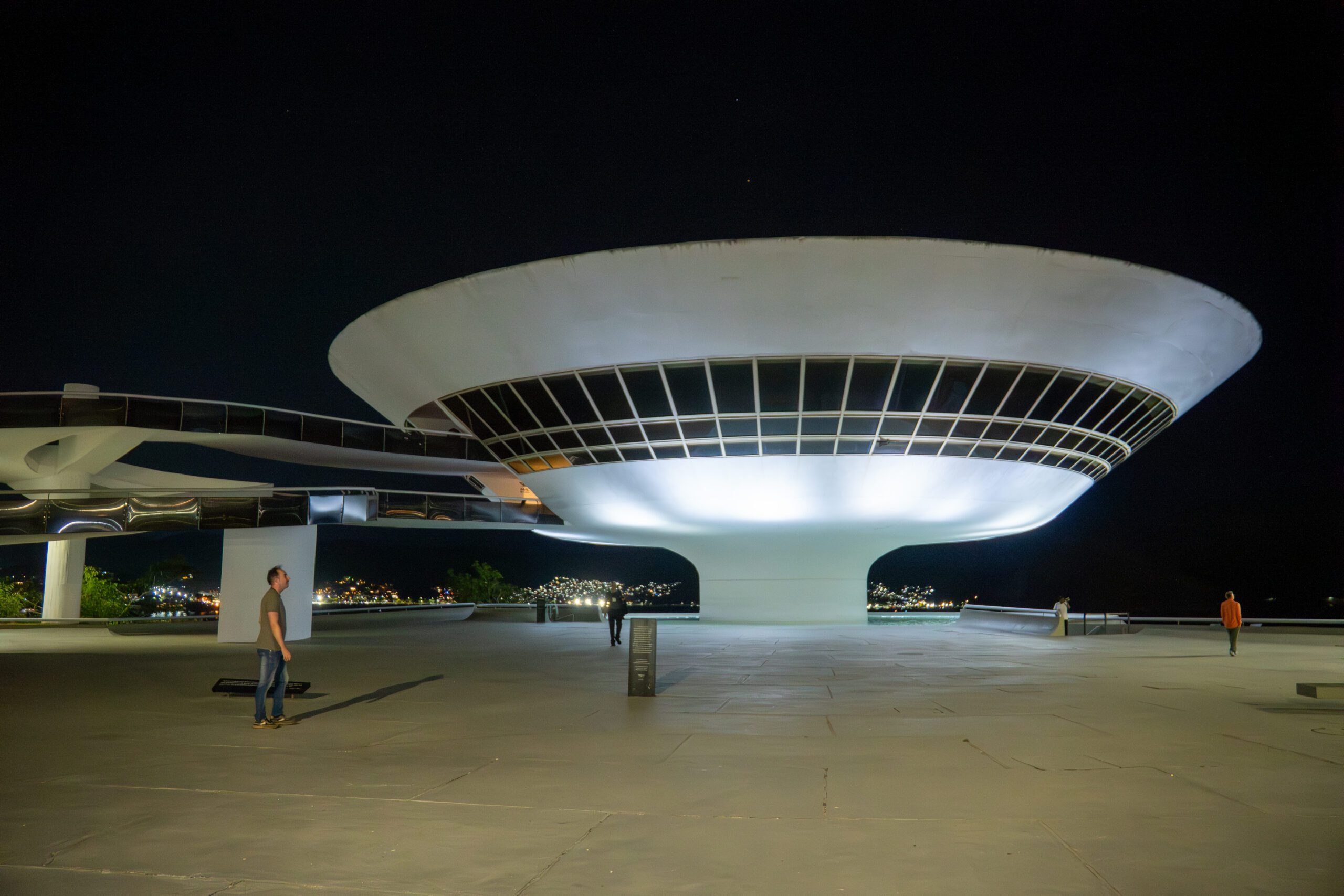
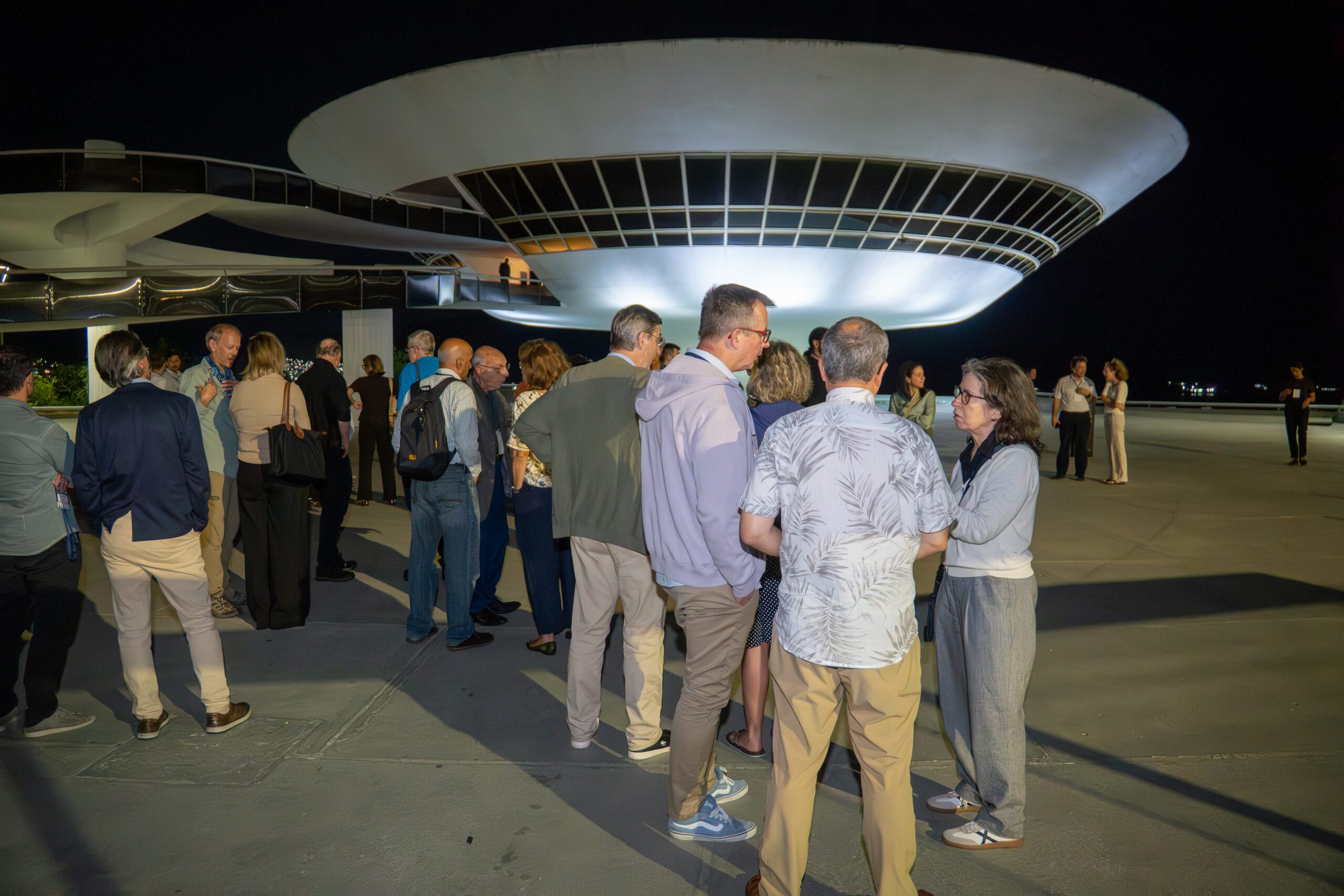
The reception will be held at the Niteroi Contemporary Art Museum Mirante da Boa Viagem
08:30-09:00. Welcome onsite
Inga Room (2d floor)
09:00-11:00. Subgroup session A2
Each subgroup works in parallel for 120 minutes.
**Few participants will join remotely**
- HPC/AI convergence (session 1/2)
Room 1 (2d floor)
Chair: Mohamed WAHIB (RIKEN)
Co-chairs: Emmanuel Jeannot (INRIA), Artur Lorenzon (UFRGS), Philippe Navaux (UFRGS/SCALAC), Brian Spears (LLNL)
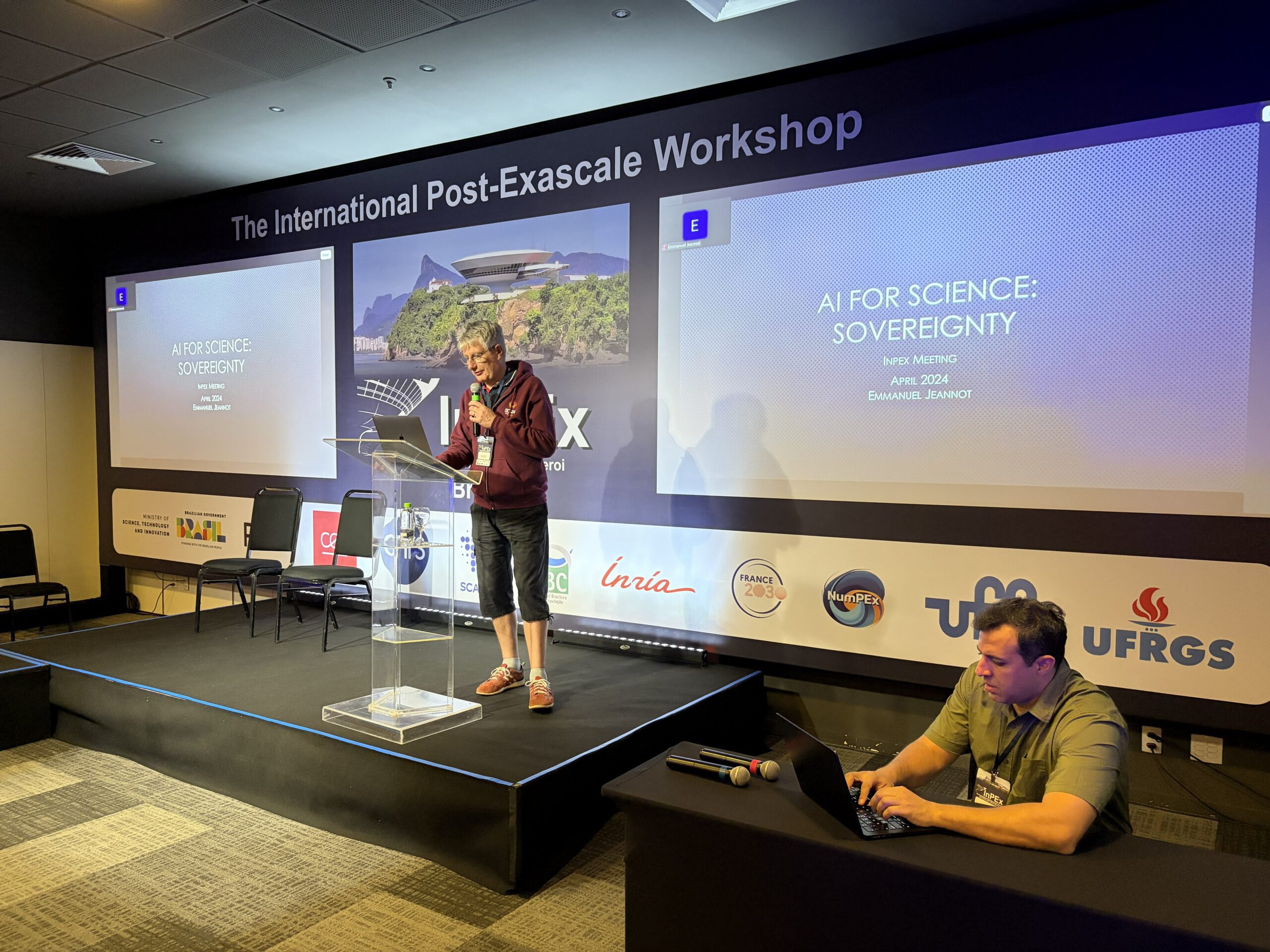
| AI for Science: Sovereignty Access to the presentation |
Emmanuel JEANNOT (INRIA) |
| Scalability in HPC/AI Access to the presentation |
Arthur LORENZON (UFRGS) |
| The Convergence and Divergence of HPC and AI Access to the presentation |
Mohamed WAHIB (RIKEN) |
- Computing continuum (session 1/2)
Room 2 (2d floor)
Chair: Gabriel ANTONIU (INRIA)
Co-chairs: Mario ACOSTA (BSC), Carlos Jaime Barrios Hernandez (UIS/INRIA), Marcio Castro (UFSC), Nicola Ferrier (Northwestern University), Maria Girone (CERN), Kento Sato (RIKEN), Hiroyuki Takizawa (Tohoku University)
| HEP Use Cases for HPC Access to the presentation |
Maria GIRONE (CERN) |
| ODISSEE Access to the presentation |
Damien GRATADOUR (CNRS) |
| ESiWACE 3 and Destination Earth Access to the presentation |
Mario ACOSTA (BSC) |
| In-House AI Pipeline Infrastructure towards the FugakuNEXT Era Access to the presentation |
Kento SATO (RIKEN) |
| Harnessing the Digital Continuum for Science using the National Data Platform (NDP) Access to the presentation |
Manish PARASHAR (U. Utah) |
11:00-11:30. Coffee break
Foyer (2d floor)
11:30-12:30. Presentation of subgroups A1 and A2 wrap-up and discussion
Inga Room and Online
Chairman: Jack DONGARRA (U. Tennessee)
15 minutes per subgroup
| Experimenting Large AI models for science Access to the presentation |
Gabriel HAUTREUX (CINES) |
| GenAI and software engineering Access to the presentation |
Anshu DUBEY (ANL) |
| HPC/AI Convergence Access to the presentation |
Emmanuel JEANNOT (INRIA) |
12:30-14:00. Lunch
Hotel Restaurant (1st floor)
14:00-16:00. Subgroup session B1
Each subgroup works in parallel for 120 minutes.
- Computing continuum (2/2)
Room 1 (2d floor)
Chair: Gabriel Antoniu (INRIA)
Co-chairs: Mario ACOSTA (BSC), Carlos Jaime Barrios Hernandez (UIS/INRIA), Marcio Castro (UFSC), Nicola Ferrier (Northwestern University), Maria Girone (CERN), Kento Sato (RIKEN), Hiroyuki Takizawa (Tohoku University)
| Example SDSC AI Services and Applications Access to the presentation |
Ilkay ALTINTAS (USCD) |
| High Performance Computing in Clouds: Challenges and Solutions Access to the presentation |
Lucia DRUMMOND (UFF) |
| Advanced Computing Research Ecosystem in LAC Access to the presentation |
Carlos Jaime BARRIOS HERNANDEZ (SCALAC/INRIA) |
- GenAI and software engineering (session 2/2)
Room 2 (2d floor)
Participants are invited to contribute online to this session.
Chair: Anshu DUBEY (ANL)
Co-chairs : Roberto Di Cosmo (INRIA), Jens Domke (RIKEN), Alfredo Goldman (USP), Antonio Tadeu Gomes (LNCC), Christophe Prudhomme (UNISTRA)
16:00-16:30. Coffee break
Foyer (2d floor)
16:30-18:30. Subgroup session B2
Each subgroup works in parallel for 120 minutes.
- HPC/AI convergence (session 2/2)
Room 1 (2d floor)
Chair: Mohamed Wahib (RIKEN)
Co-chairs: Emmanuel Jeannot (INRIA), Artur Lorenzon (UFRGS), Philippe Navaux (UFRGS/SCALAC), Brian Spears (LLNL)
- International roadmapping effort (1/1)
Room 2 (2d floor)
Chair: Raymond Namyst (INRIA)
Co-chairs : Carlos Jaime Barrios Hernandez (UIS/INRIA), Franck Cappello (ANL), Isidoro Gilter (ABACUS-CINVESTAV-IPN), Masaaki Kondo (RIKEN), Jeff Vetter (ORNL)
| AI-based Scientific Hypothesis Generation Access to the presentation |
Franck CAPPELLO (ANL) |
| Navigating the Post-Exascale Computing Era: Roadmap, Energy Efficiency, Heterogeneous Computing Access to the presentation |
Jeffrey VETTER (ORNL) |
| AI, HPC and Quantum in Latin America: the Chilean Case Access to the presentation |
Nayat SANCHEZ-PI (INRIA Chile) |
| FugakuNEXT Project Access to the presentation |
Masaaki KONDO (RIKEN) |
| Advanced Computing R+D+i Statement in LAC Access to the presentation |
Carlos Jaime BARRIOS HERNANDEZ (SCALAC/UIS/INRIA) and Philippe NAVAUX (UFRGS/SCALAC) |
| Strategy for Post-Exascale: a European Coordination Support Action Access to the presentation |
Raymond NAMYST (INRIA) |
19:30-21:30. Reception and dinner
The reception and dinner will be held at the hotel premises
08:30-09:00. Welcome onsite
Inga Room (2d floor)
09:00-10:45. Presentation of subgroups B1 and B2 wrap-up and discussion
Chairman: Jens DOMKE (RIKEN)
| 15 minutes of presentation/15 minutes of open discussion | ||
| 09h00-09h30 | GenAI and software engineering Access to the presentation |
Anshu DUBEY (ANL) and Alfredo GOLDMAN (USP) |
| 09h30-10h00 | HPC/AI convergence Access to the presentation |
Mohamed WAHIB (RIKEN) |
| 10h00-10h30 | Computing continuum Access to the presentation |
Gabriel ANTONIU (INRIA) |
| 15 minutes of presentation | ||
| 10h30-10h45 | International roadmapping effort Access to the presentation |
Raymond NAMYST (INRIA) |
10:45-11:45. Next steps of the InPEx initiative and conclusion of the workshop
| 10h45-11h25 | Presentation of upcoming perspectives | Next Step EU Access to the presentation |
Jean-Yves BERTHOU (INRIA) | FS3.0: Feasibility Study on the future HPCI Access to the presentation |
Mohamed WAHIB (RIKEN) |
| 11h25-11h35 | Preparation of the next InPEx workshop | Bernd MOHR (FZJ), Martin SCHULZ (TUM) |
| 11h35-11h45 | Conclusion of the workshop | Pete BECKMAN (Northwestern University), Jean-Yves BERTHOU (INRIA), Philippe NAVAUX (UFRGS/SCALAC) and Mohamed WAHIB (RIKEN) |
11:45-12:00. InPEx 2026 concluding remarks
Workshop concluding remarks (Jack DONGARRA)
Access to the presentation
12:00-13:30. Break and lunch
Hotel Restaurant (1st floor)
Presentation of the topics
Parallel sessions
International roadmapping effort
This session is dedicated to exchange regional roadmapping effort in AI/HPC/Quantum convergence.
GenAI and software engineering
Several questions will be adressed under this topic:
- Software heritage: an opportunity for digital resilience, sovereignty and reference data set for advance AI model training
- AI acceleration of development cycles
- Profiling oracles: AI-driven analysis to identify bottlenecks
- Trace-based learnings: collect structured traces to optimise partitioning and scheduling
- Trust and benchmarking: audit and validation of AI-generated HPC code / GenAI impact on training young generation
Experimenting large AI models for science, "1000 scientists AI Jam"
This session will be dedicated to share experiences from the US and Japan, initiate a European AI Jam and work on possible plans for international collaborations (for instance: Tri-Million Parameter Consortium – TPC)
HPC/AI convergence
This session will adress the following subjects:
- Model updates
- Training/inference at scale
- Data generation
- Drift monitoring
- Co-design
The following questions will be addressed:
- Co-design: Algorithms and architectures for transformers / foundation models
- Scalability: Memory limits, heterogeneous architecture, slow interconnects and low-precision
- Distributed learning: Train on inherently distributed data (simulation traces)
- Sovereignty: Build-vs-buy for European AI-HPC stack
- Data: Access, open models vs open data, PB-scale science datasets
Computing continuum
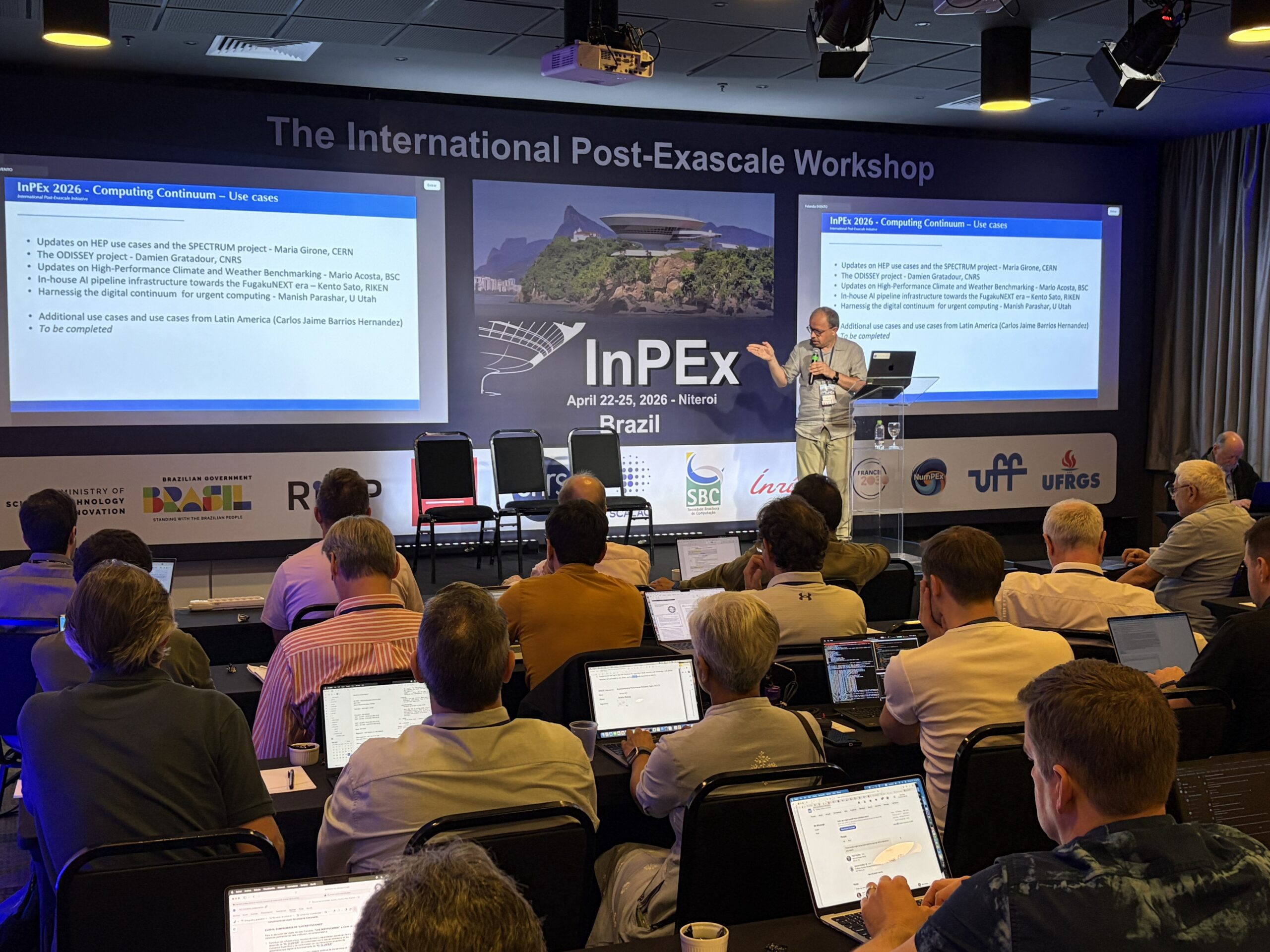
This session aims to continue the work started at InPEx 2025 aiming to build a representative picture of relevant active regional and international use cases of interest to explore expectations, design and effective implementation of computing continuum components.
During the previous sessions, each use case proposed challenges/roadblockers and initial approaches to tackle them. To help identifying commonalities, all use-case representatives have been requested to comment on the criteria identified and potentially propose new criteria if relevant.
Among the studied use cases we can mention:
- The Square Kilometer Array (SKA), a workflow-intensive project that would benefit significantly from operating across multiple infrastructures;
- High-energy physics (HEP) use cases;
- EsiWACE – a high-performance climate and weather benchmark;
- Urgent computing: facilitating trade-off management on the Edge – Cloud Computing Continuum for Urgent Science;
- Micro-meteorology control;
- Disaster digital twins.
This new session aims to complete the picture with other relevant use cases and additional challenges, to build an updated view on major existing projects addressing these challenges and to discuss on concrete operational steps to enable international collaborations in this area. The ideal outcome of the session is a solid updated vision on the aforementioned topics at an international level, which can serve as a basis for upcoming roadmapping documents and funding strategies.
Location
The InPEx 2026 conference took place at:
H Niteroi Hotel
Rua Dr. Paulo Alves 14, Inga, Niteroi – Rio de Janeiro, Brazil
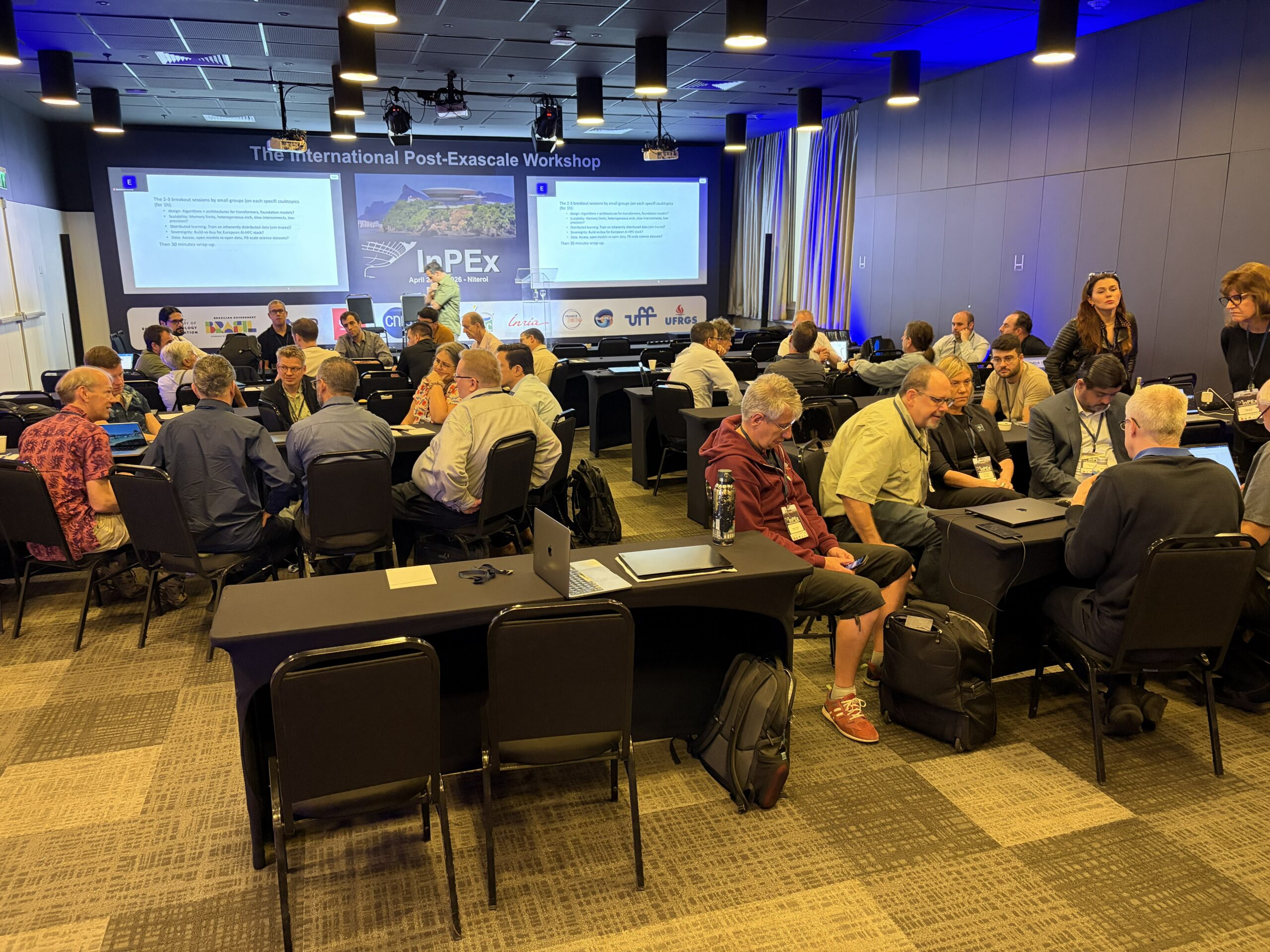
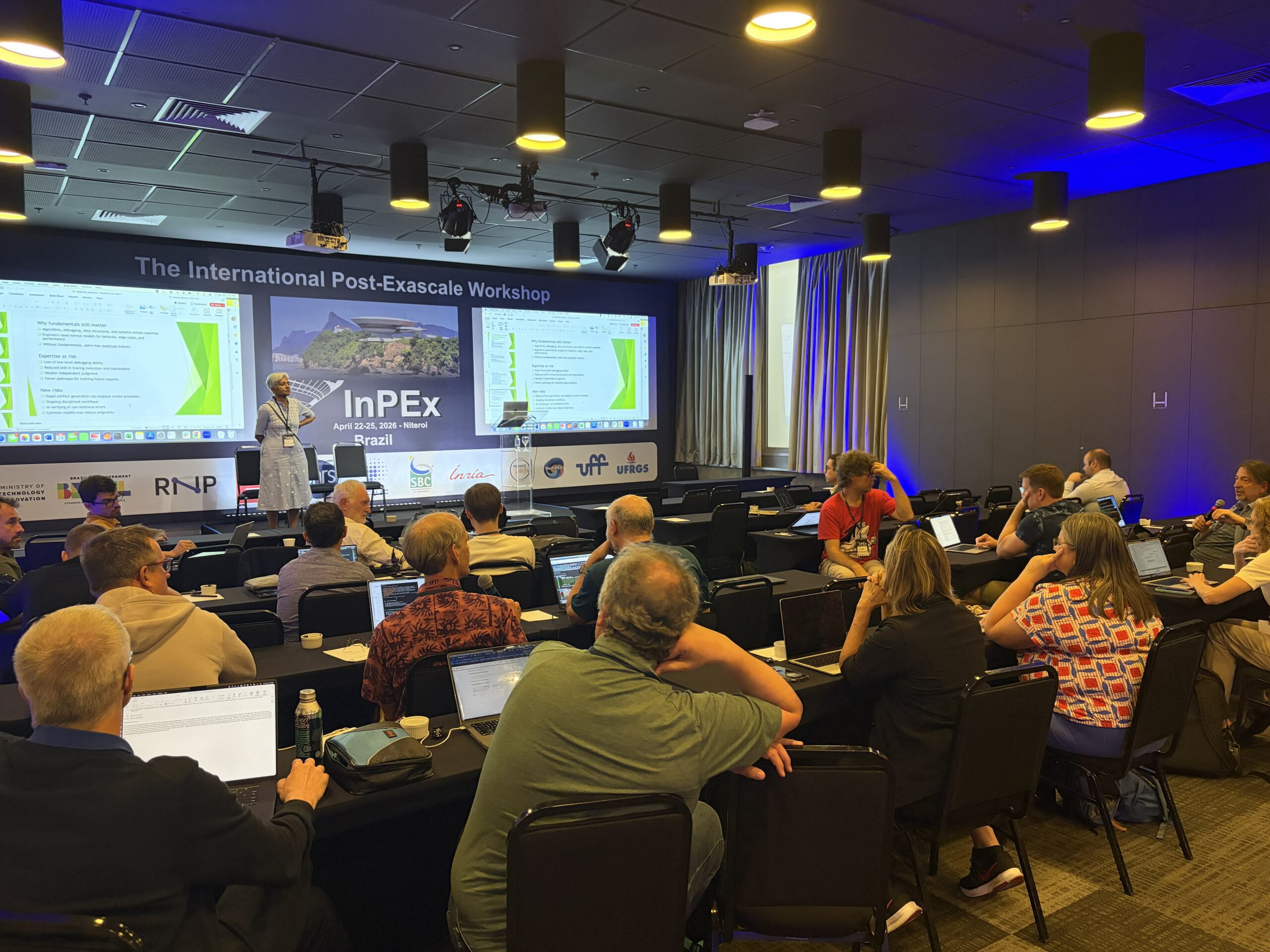
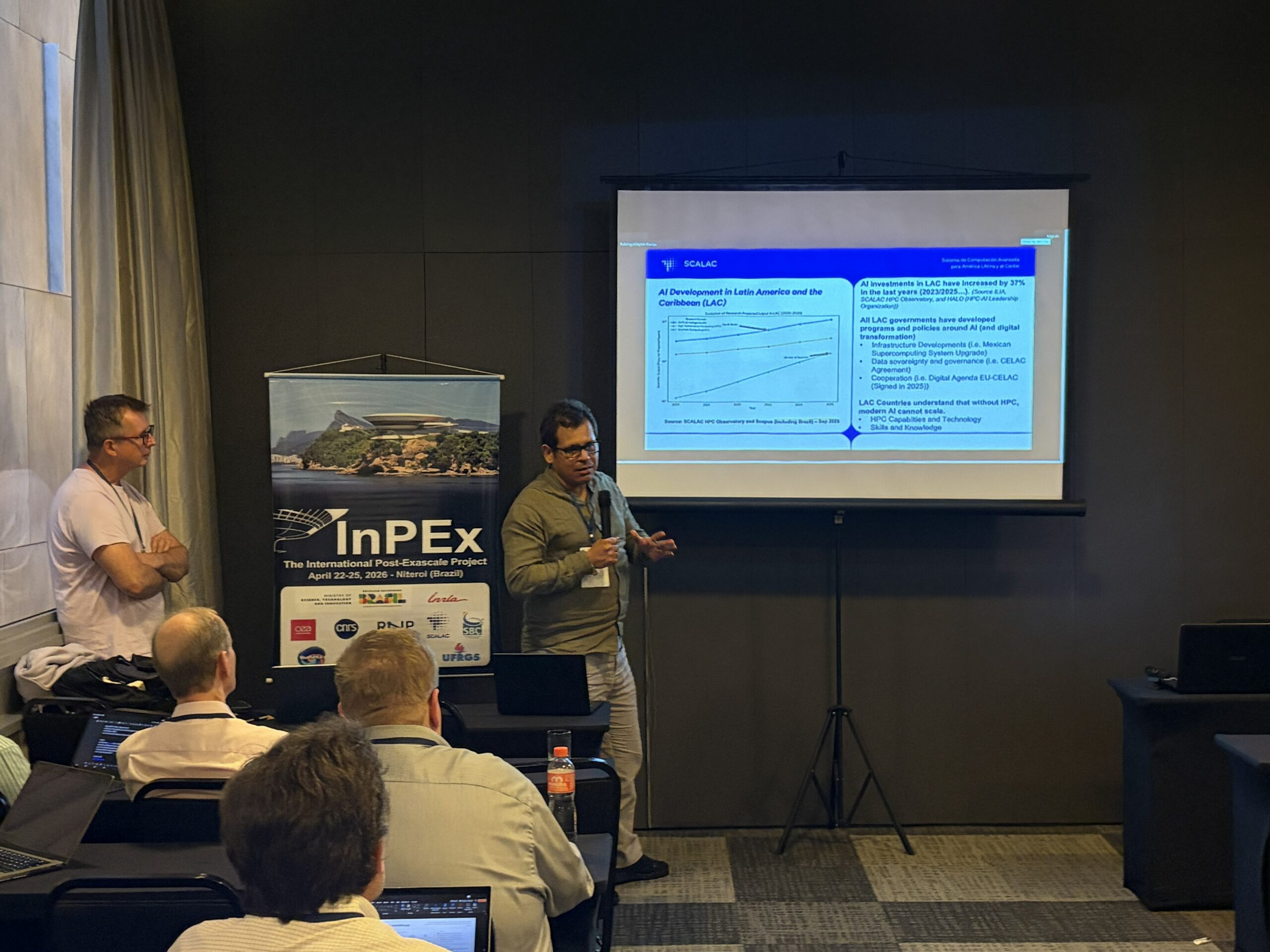
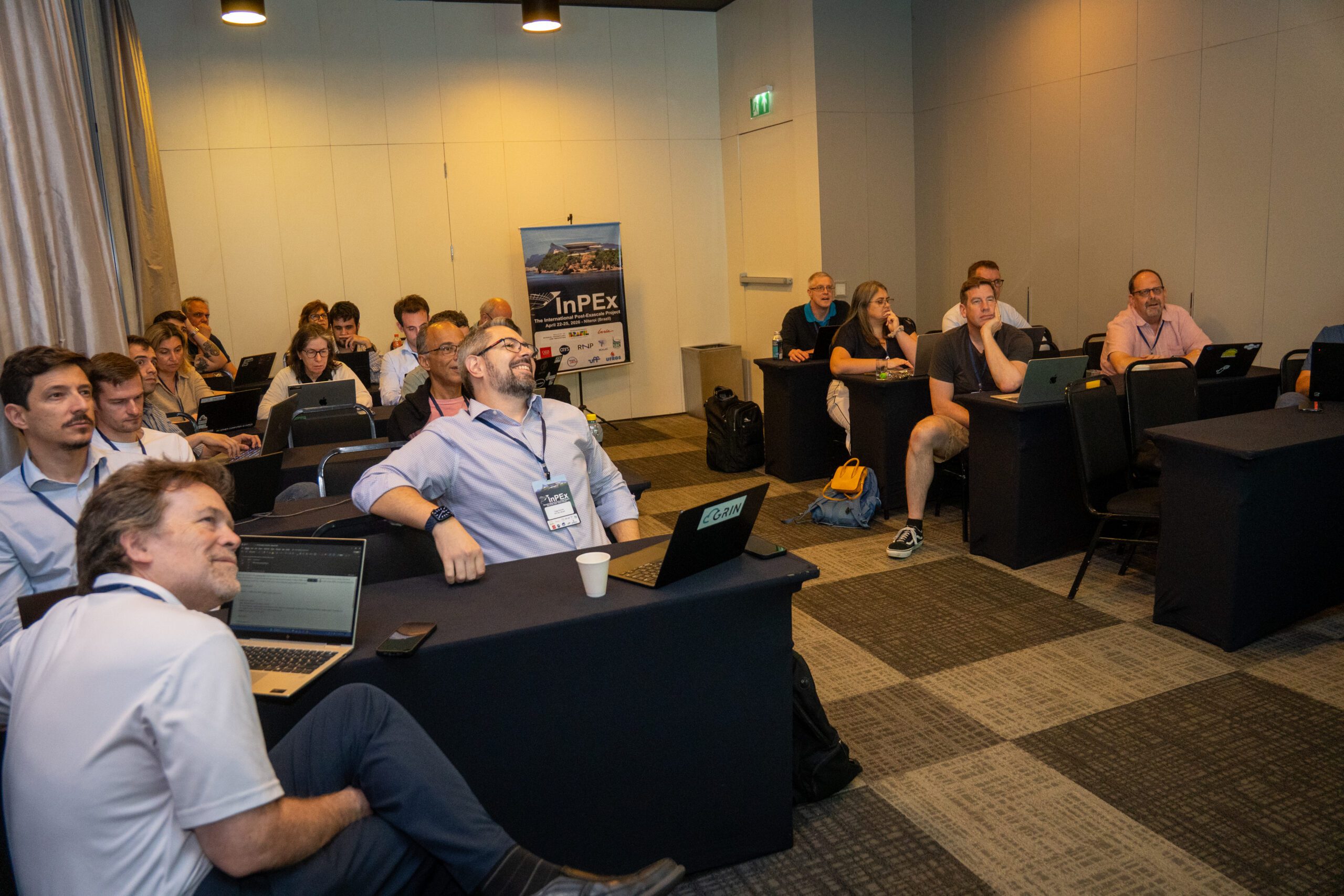
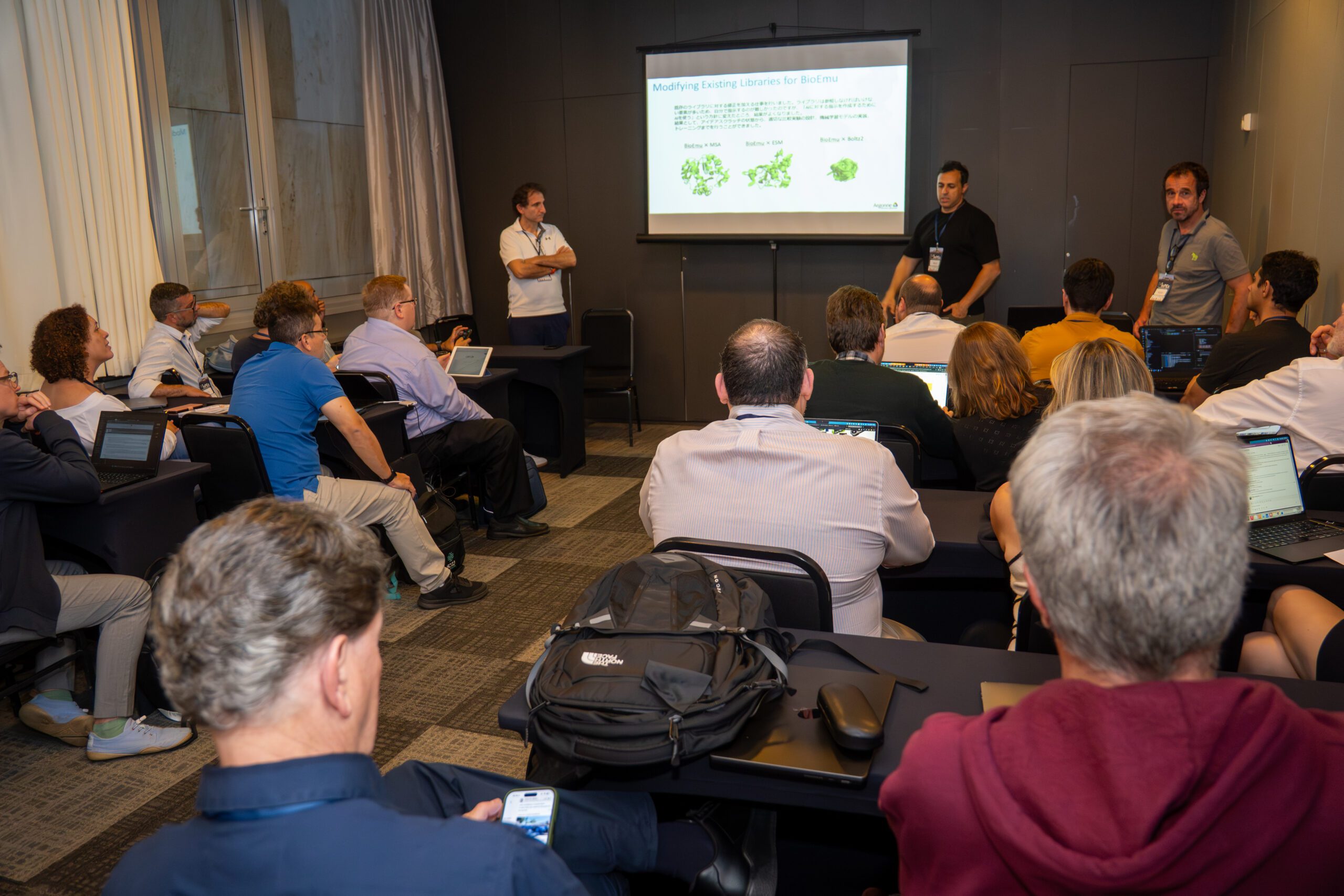
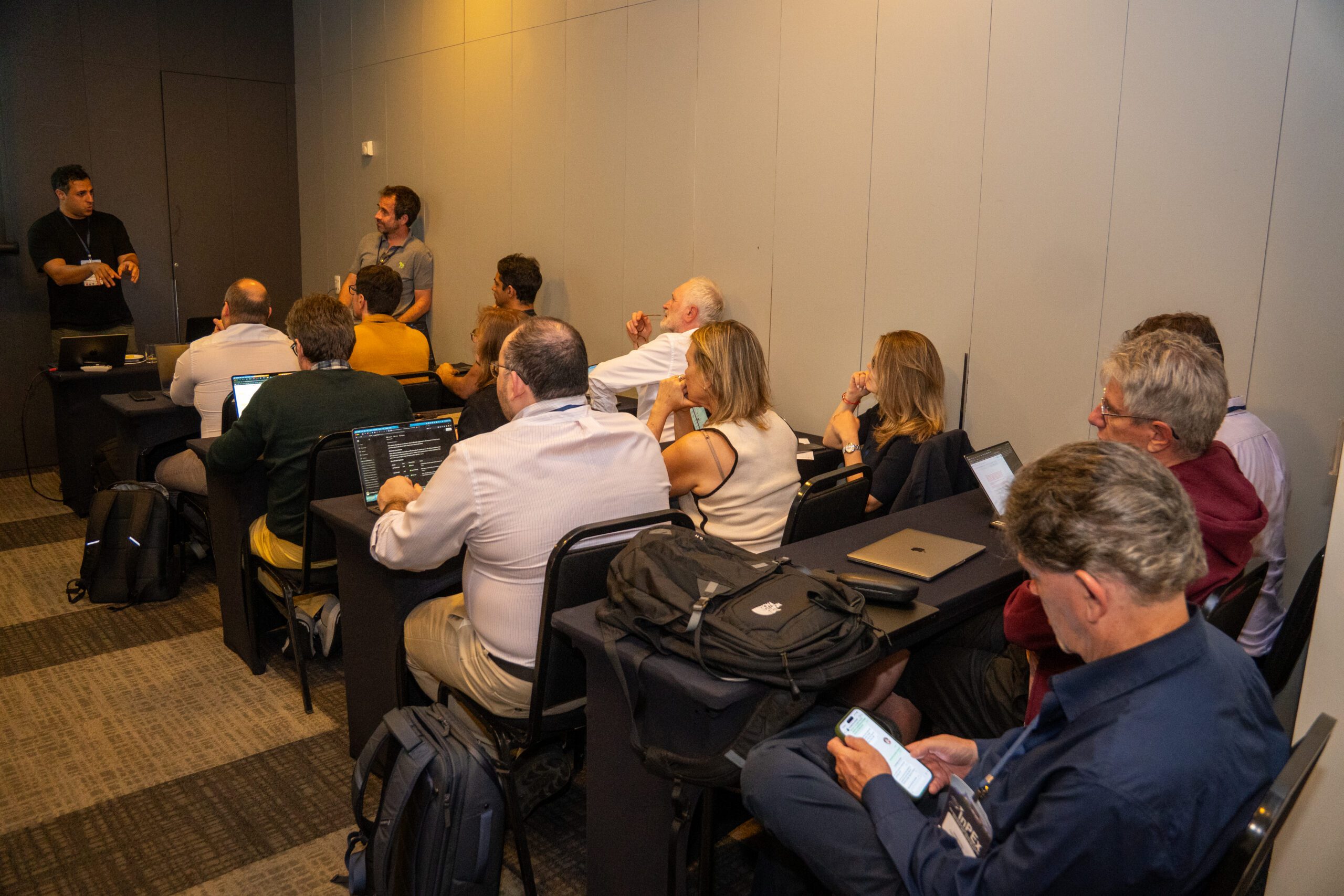
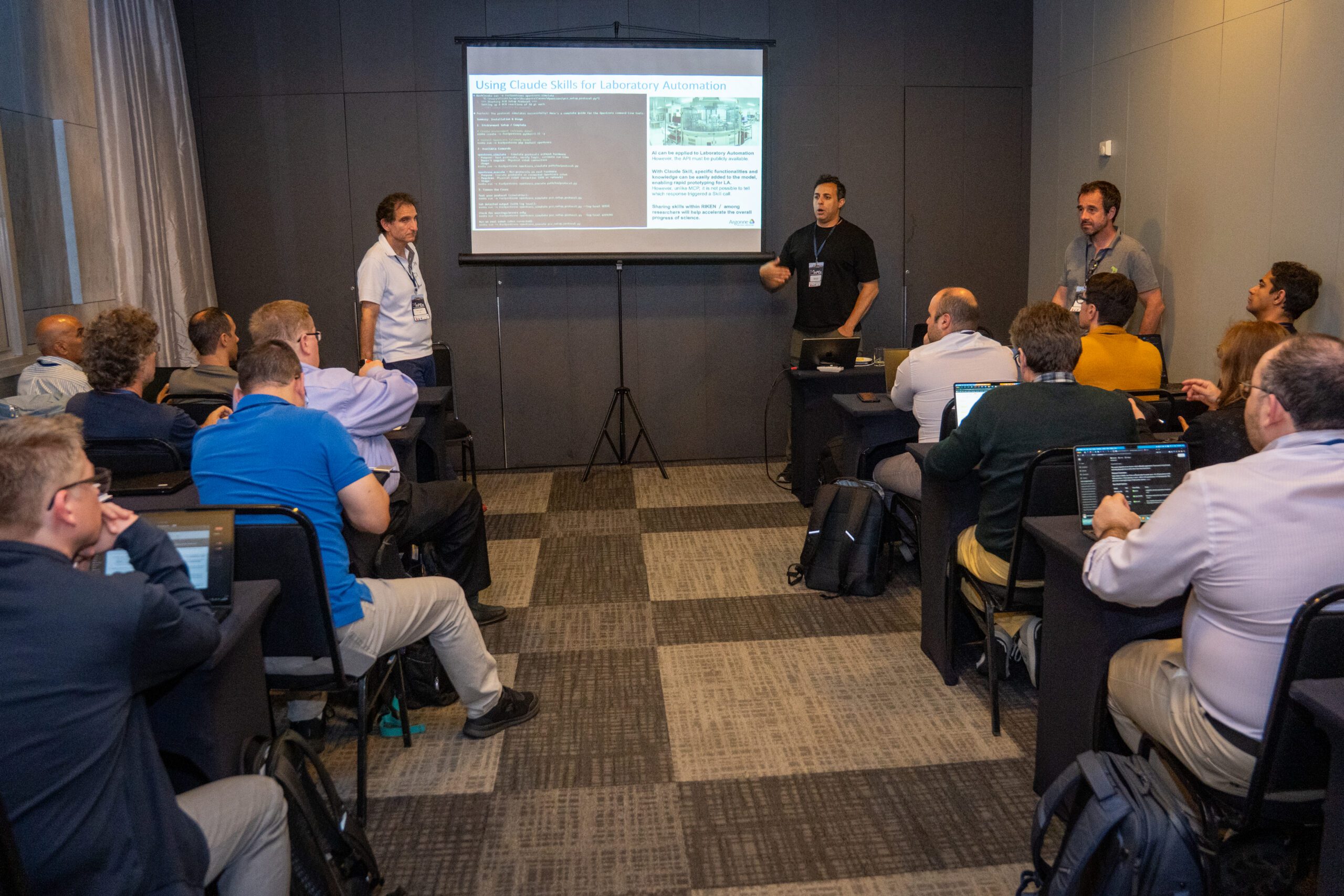
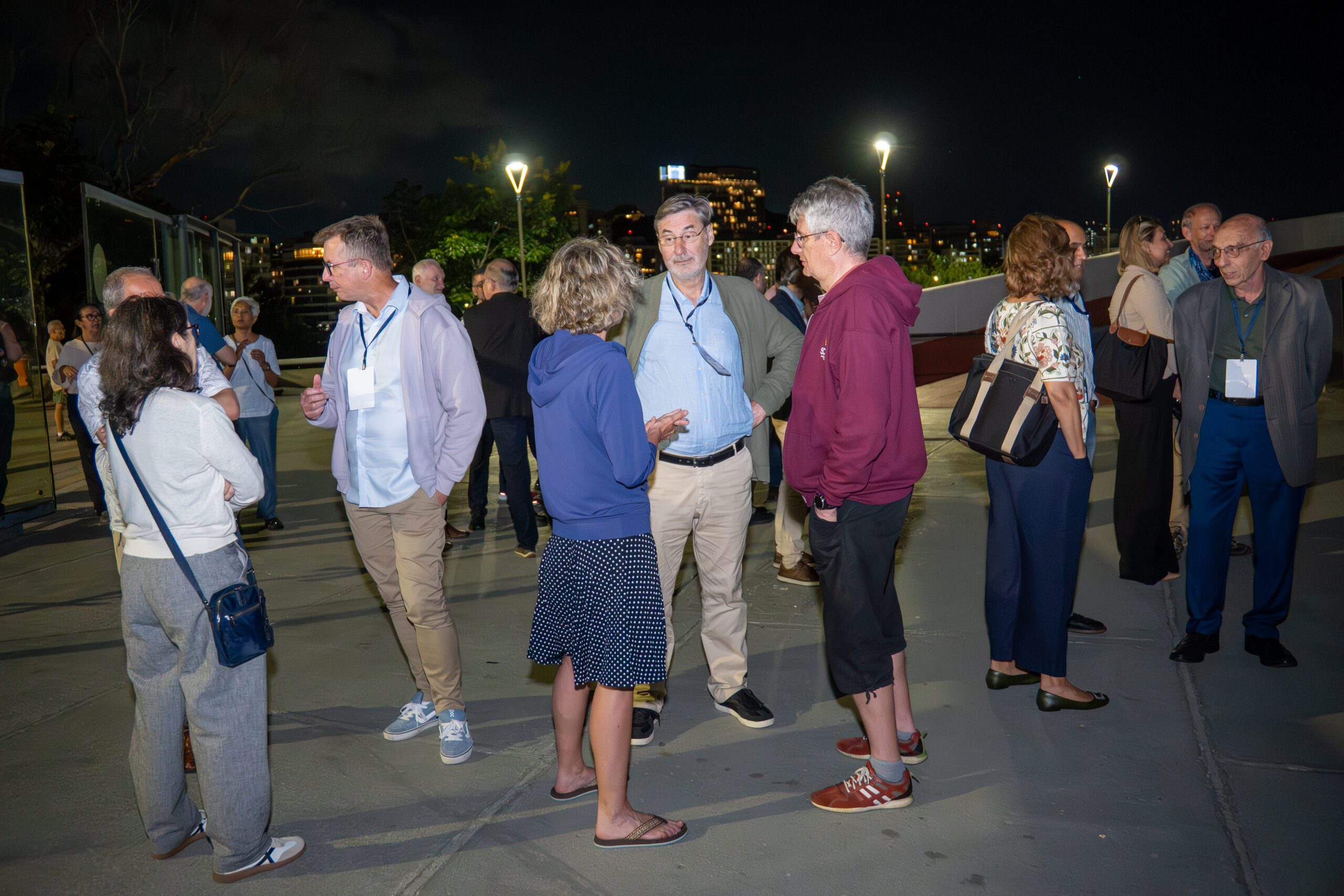
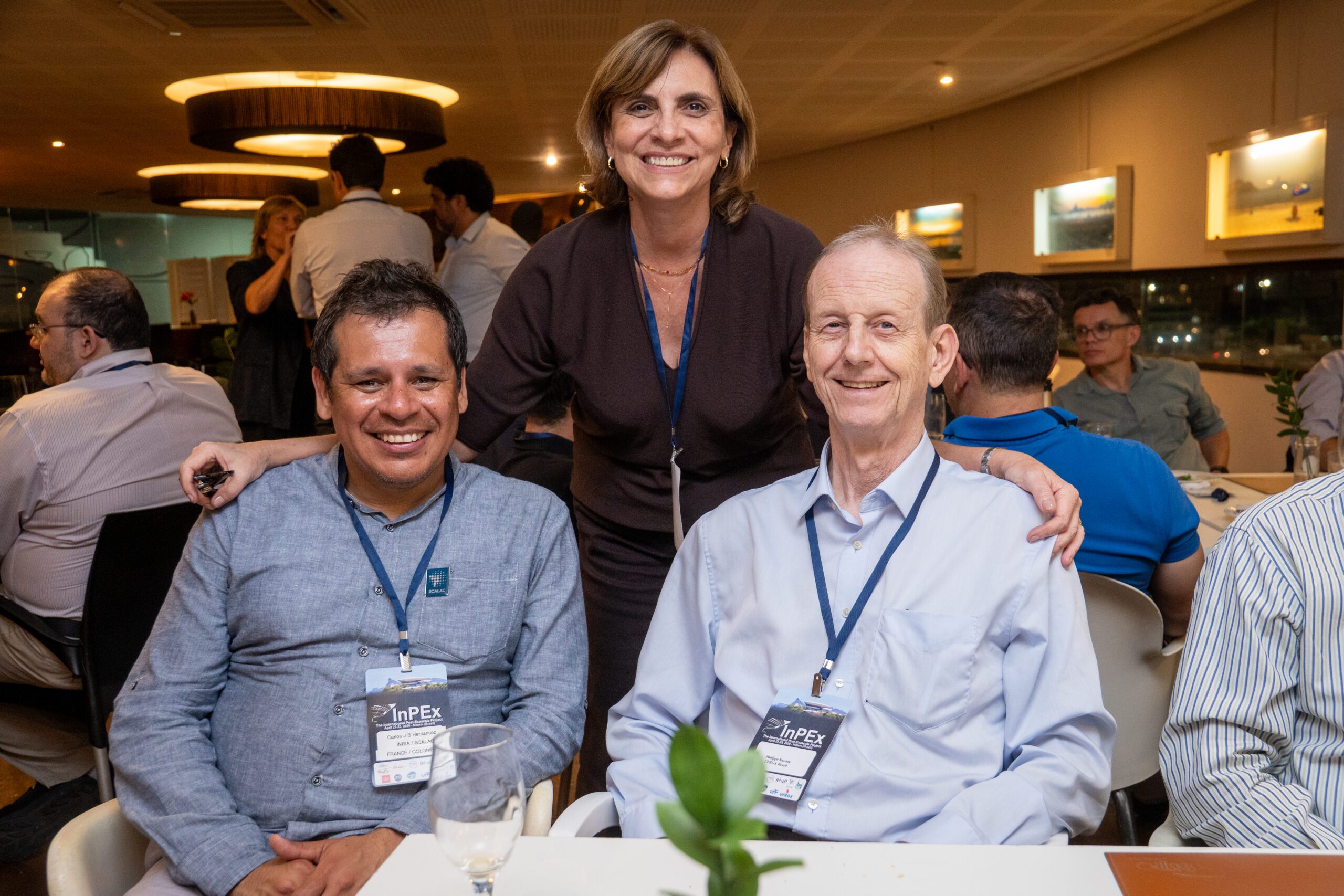
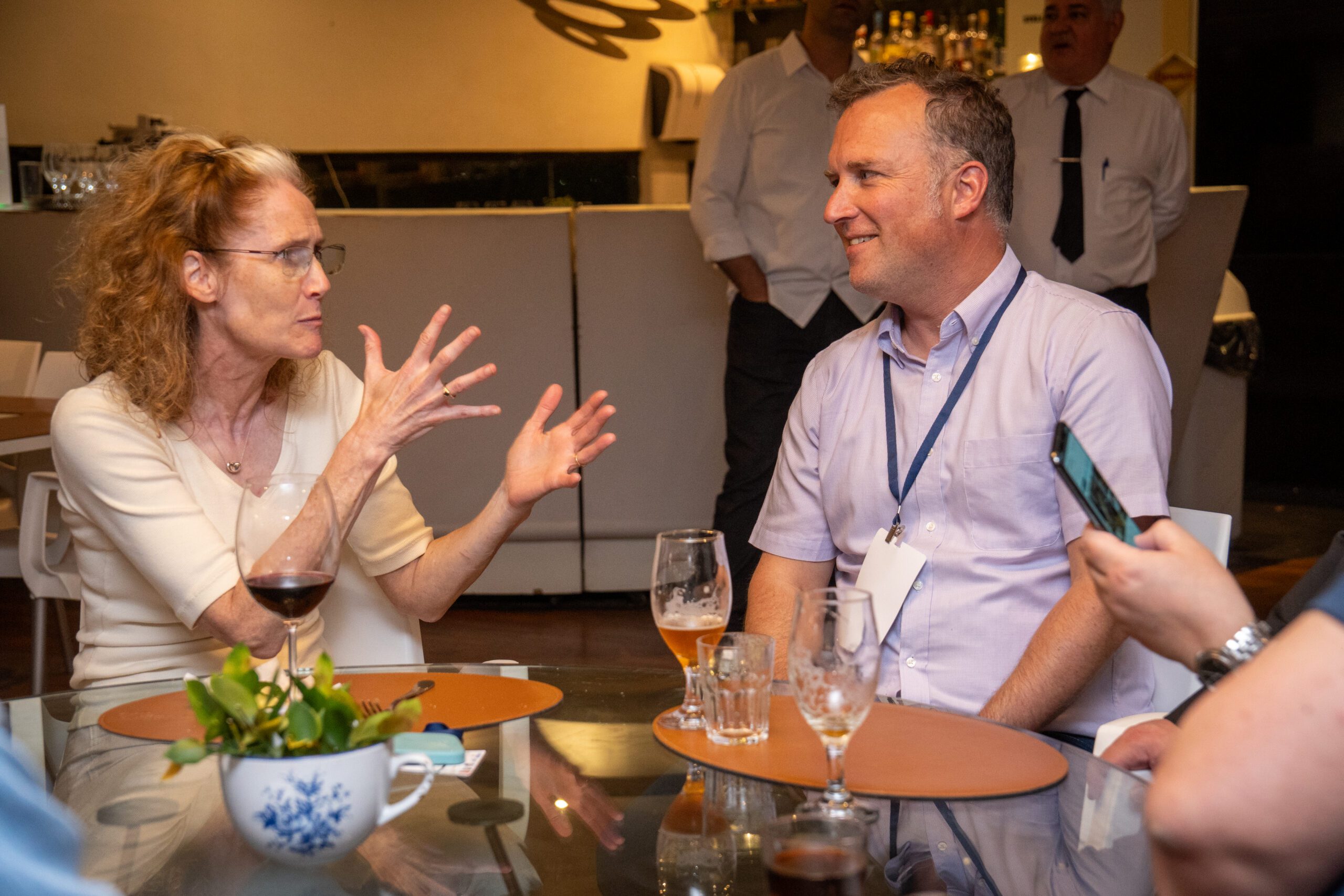
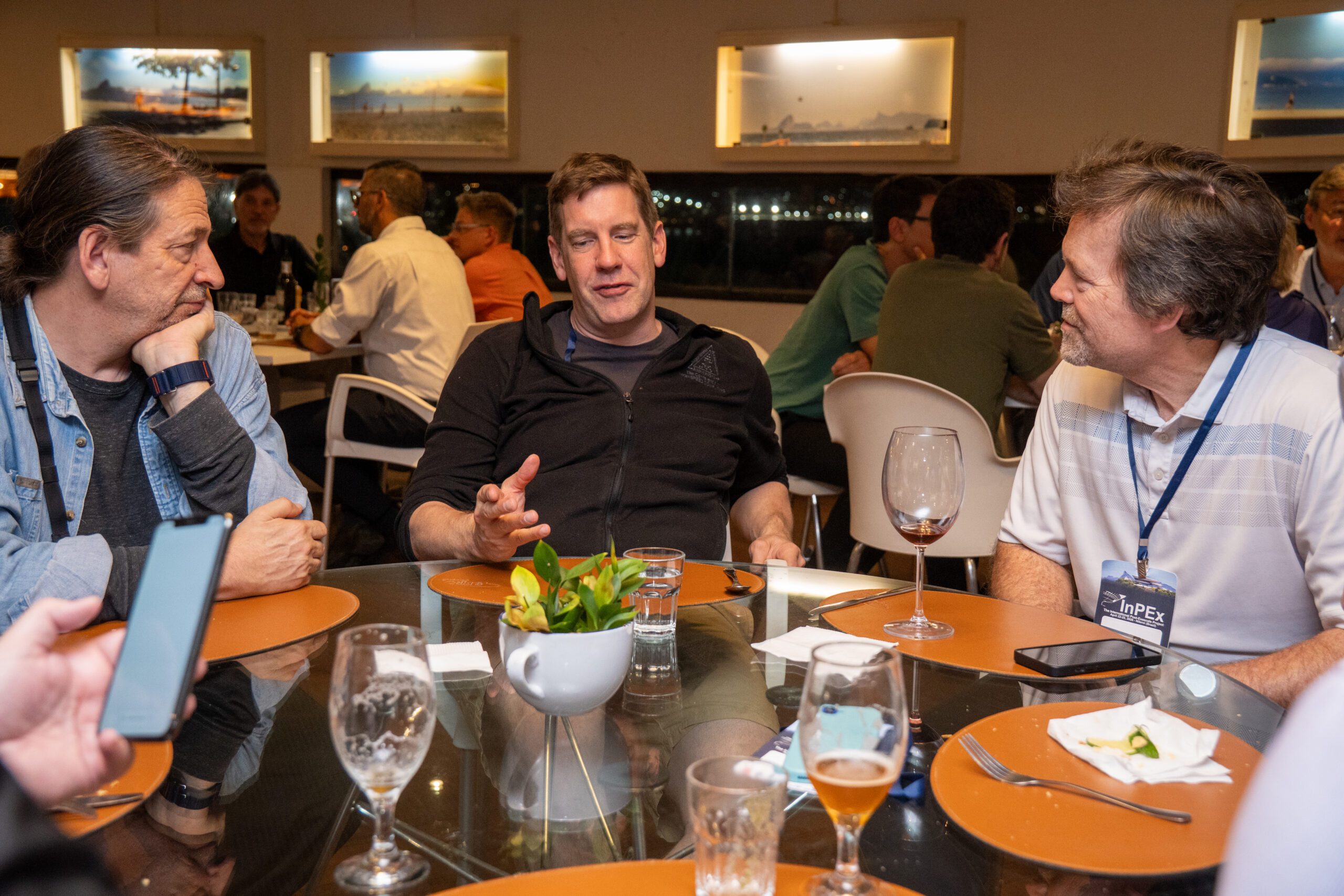
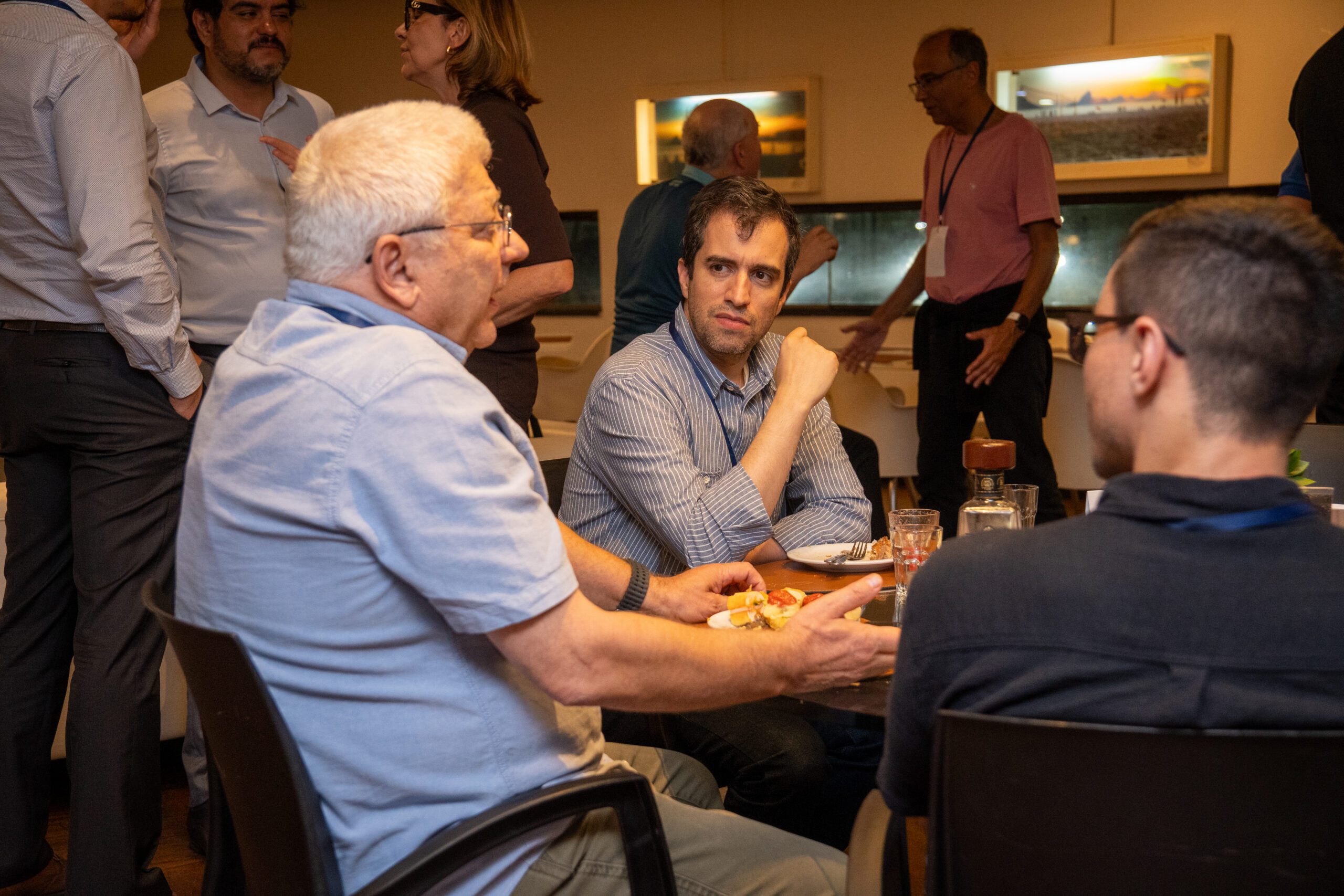
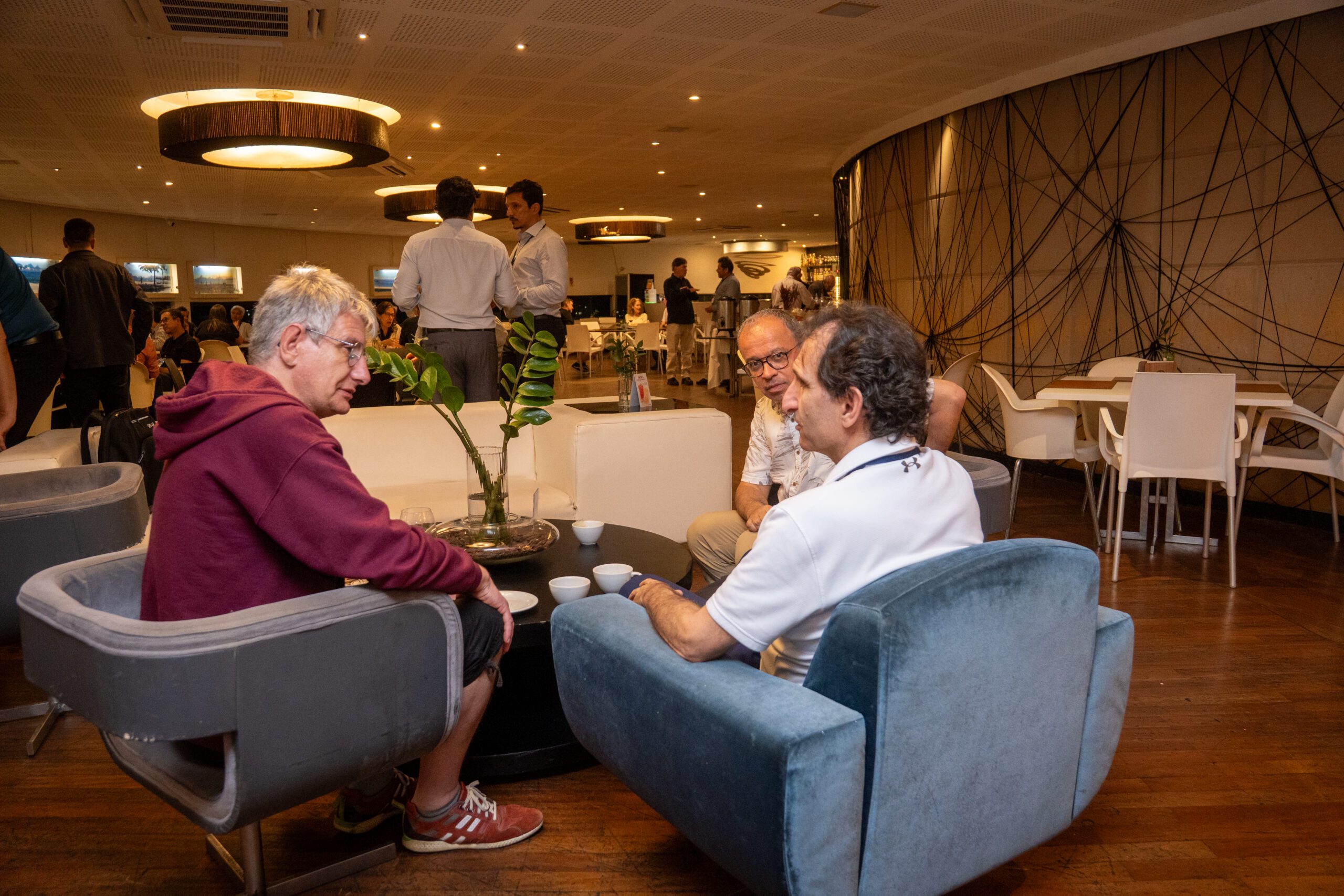
Workshop photo gallery